
 Some truck drivers love being on an empty highway at night, while others prefer to do their hauling during the daytime. No matter which you prefer, most truck drivers will put in their fair share of night driving at some point in their career.
Depending on what you drive, what you’re hauling, and who you drive for, night shifts might be your normal routine, or something you only do once in a blue moon. If you’re a new driver looking for information about what it’s like to drive at night, here are 7 things you should know about night truck driving.
1. Your body’s natural rhythms are at a lull
Most people’s energy level and alertness will drop during the late night and early morning hours. If you stay up throughout the night consistently, your body will eventually adjust to the change, it just takes a while.
While you’re in that period of adjustment, it’s important to do whatever you can to stay alert. Caffeine can help, but overreliance on it can cause its own issues. Consider listening to an audiobook or podcast to keep your mind active and engaged. A good diet and exercise can also help your body adjust to night driving faster.
2. Your visibility is weakened

Humans don’t have great night vision. When the sun goes down, your peripheral vision weakens, and you won’t be able to see as far ahead. This can make it hard to see animals that jump out at the last minute or other obstructions in the road. It also means your response time to other drivers and events on the road is likely to be a little slower.
This is why you should leave yourself extra space whenever possible. The normal stopping distance that trucks need during good weather conditions is around 370 feet. When you’re driving at night, try and give yourself even more than that, closer to 600 feet.
3. Traffic is usually lighter
Much of the world operates during the day, so if you’re night driving, you will rarely have a problem with traffic. That said, the other drivers who are out are also at a low point of alertness. Keep your distance and drive defensively. You never know what other kinds of drivers are on the road.
4. Deliveries can be more dangerous
 At night, there are fewer people around, and you’re more likely to run into bad characters. Some drivers say this is especially true in urban areas when you’re making a delivery.
Always stay alert and take every precaution you can if you need to get out of your cab. If you’re traveling to a new area, try to learn what you can about the drop before you go. Street view on Google maps is a great resource to see exactly where you’re going.
5. You’re on your own
Most dispatchers and customers aren’t operating 24/7. This means less after-hours assistance if you run into trouble or need last-minute directions to the customer.
If you’re an independent driver who loves being self-reliant, this most likely won’t be an issue for you. If you’re a new driver, don’t let this scare you. As long as you’re sufficiently prepared and keep a few essential tools in your cab, you’ll be good to go.
6. Parking options are better
Night drivers aren’t competing for parking in the same way that other drivers are during the day. Most of the time, you won’t need to dock early or plan your route around the places you know you can stop.
That can be a huge time saver (not to mention the headache you avoid!). If you do need to look for parking or gas, try TruckerPath or GasBuddy to get you where you need to go.
7. You should keep your windshield, headlights, and mirrors clean
 Glare can be a big problem for night truck driving. Luckily, a little glass cleaner and elbow grease usually does the trick. Reducing glare from your mirrors and windshield will go a long way toward increased your visibility and keeping you safe.
Similarly, try not to look closely at oncoming traffic. The bright white lights will temporarily impair your vision. Look slightly down and to the right (or at the white road line) to avoid the negative effects.
Like everything, night truck driving has its pros and cons. Having less vehicles on the road is a huge pro for many drivers, but it comes at the cost of increased danger. There are three times as many crashes that happen during night as opposed to during the day.
If you’re ever in a position where you feel that you’re not sure if you can stay awake, pull over immediately. No load or deadline is worth your life or the life of other drivers on the road.

Looking for a new CDL Job?
Drive My Way matches you with a job based on your preferences like pay, home time, touch level, and more.











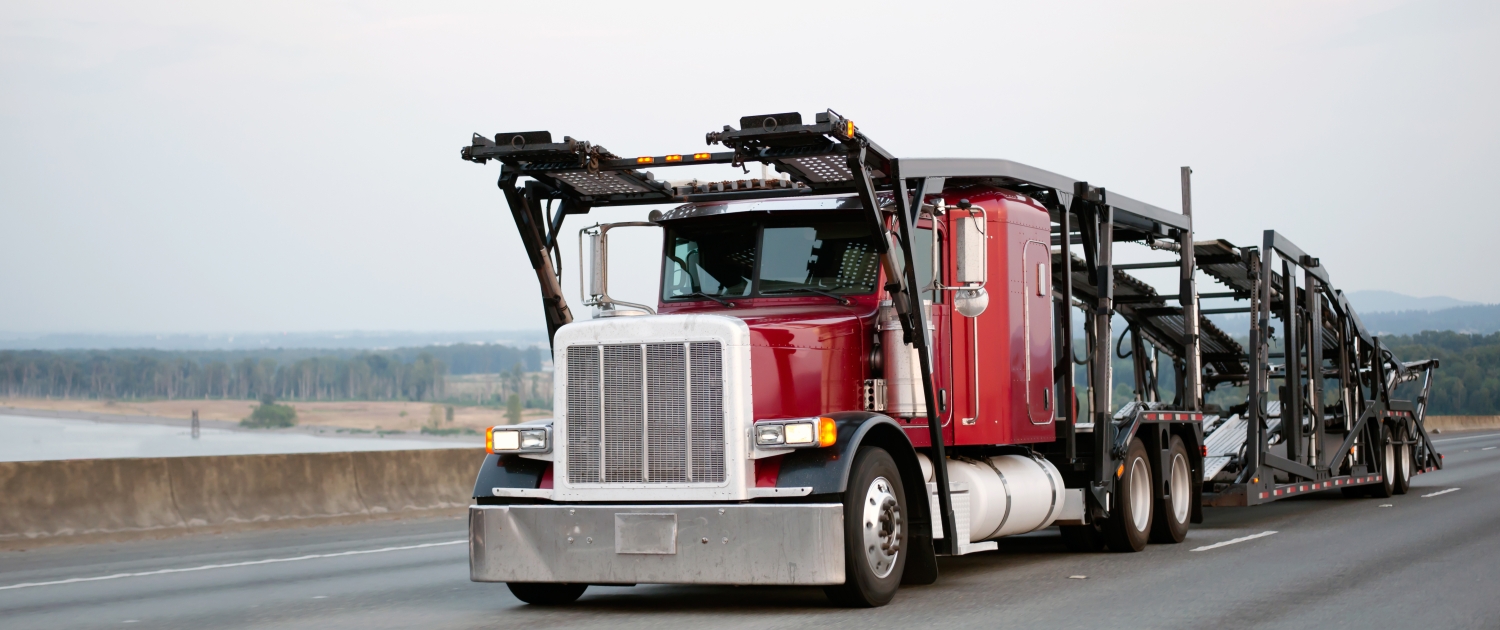
 We were about to talk with Robert Sitarski, Customer Service and Dealer Relations Supervisor with Drive My Way client, Hansen & Adkins. Robert has years of experience as a car hauler and shared his thoughts and advice for drivers considering this field.
  Intermodal trucking can be a great option for truck drivers who are looking for a new job over the road and want to try something different than typical dry and reefer hauling. Here are 3 perks of being an intermodal trucker, along with quotes from actual intermodal drivers about what the job is like.
 If consistent home time and a healthy work/life balance are important to you, intermodal trucking might be a good choice for your next driving job. Drivers will tell you that the biggest benefit of this line of work is the consistent schedule and shorter routes. Drivers will usually complete at least one route, (most times more) in a single shift and be home every night.
 The shipping containers that intermodal truckers haul move from transport vehicle to transport vehicle without being unpacked or broken down (With the exception of inspections by customs officials). They stay packed as is and sealed from the time they leave, until they get to their destination.
 Most intermodal drivers find the real perk of the job to be the flexibility that it provides them. We talked to another intermodal truck driver, Ritsuko, and she shared what she loves about intermodal trucking, including seeing the country and making money.
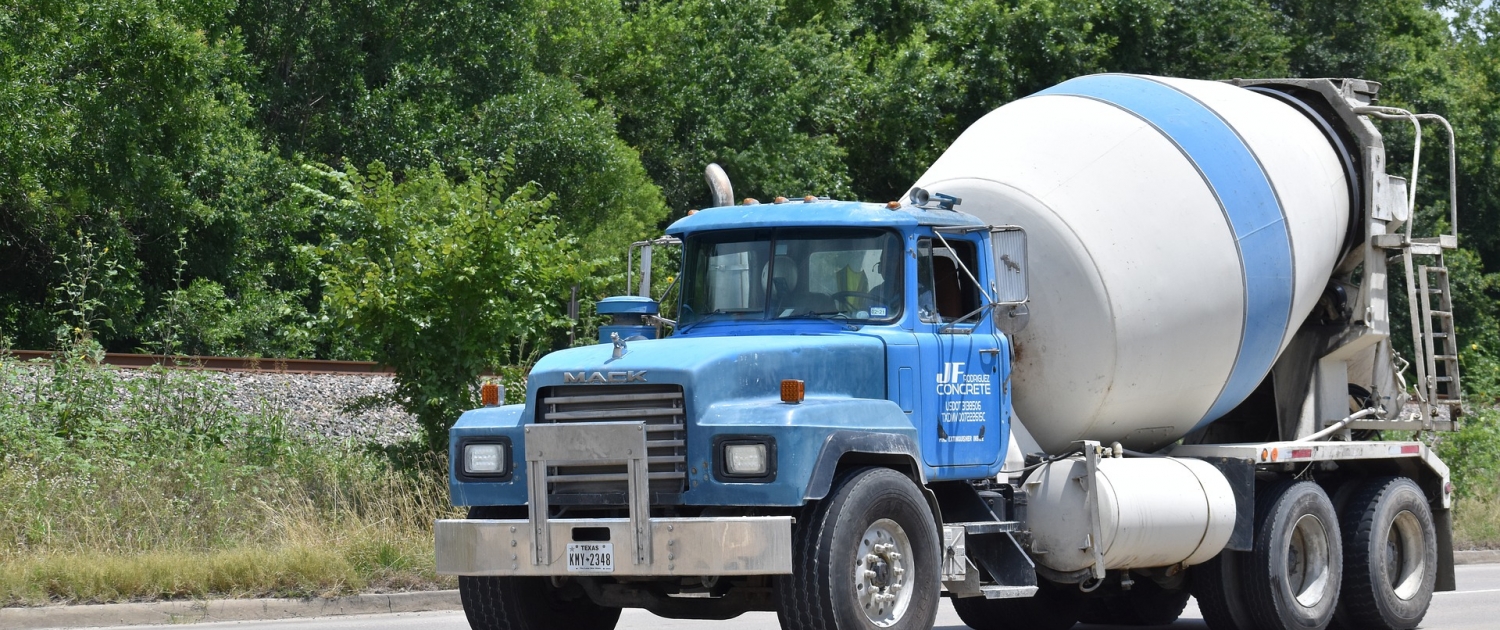


 Before deciding on a job, truck drivers need to consider a lot of different factors. Pay, home time, type of run, bonuses/incentives and company policies all make a difference in which carrier a driver will eventually choose to work for.
  Probably the most important consideration for drivers are issues around pay and benefits. You want to make sure the company is offering a pay package that fulfils your financial needs. Find out all the details about pay rates, pay models, bonuses, and expected raises. Companies have different ways of offering home time and vacation time too, so you want to make sure you understand the details.
 Aside from pay and benefits, the next most important thing drivers want to know about are operational details. What type of freight will they be hauling and what runs will they make? Will they need any additional endorsements? What level of touch will the freight be? Will there be majority drop and hooks or live loads?
 One of the biggest concerns that drivers have is the kind of equipment they’ll be using. This is understandable as a driver’s truck is their home away from home.
  In addition to the questions above, drivers should ask general questions about the company to get a sense of who they will be working for. Many drivers say they are looking for a family-oriented company, which will respect them as a person and not just a disposable number.
 No trend in 2020, 2021, or 2022 has been more pronounced than the rapid pace of
  This trend is starting to become clearer in NTI data on driver wages and benefits, but increasingly, motor carriers will move toward pay packages that promote safety and move away from pay packages that promote productivity.
  A frustration long held by professional drivers is inconsistent and lumpy paychecks week to week — particularly for causes outside of their control, such as
 Scheduling flexibility may not sound like it’s directly tied to a driver’s paycheck — but it can and should be viewed as an element of a fleet’s driver compensation package and a vital component of recruiting and retention programs.
  Driving provides women truckers with many of the same advantages as it does to men—independence, flexibility, and the opportunity to travel across the country.
 While work-life balance should be important for all truckers, it’s sometimes not as important to men. Carriers may become used to offering insufficient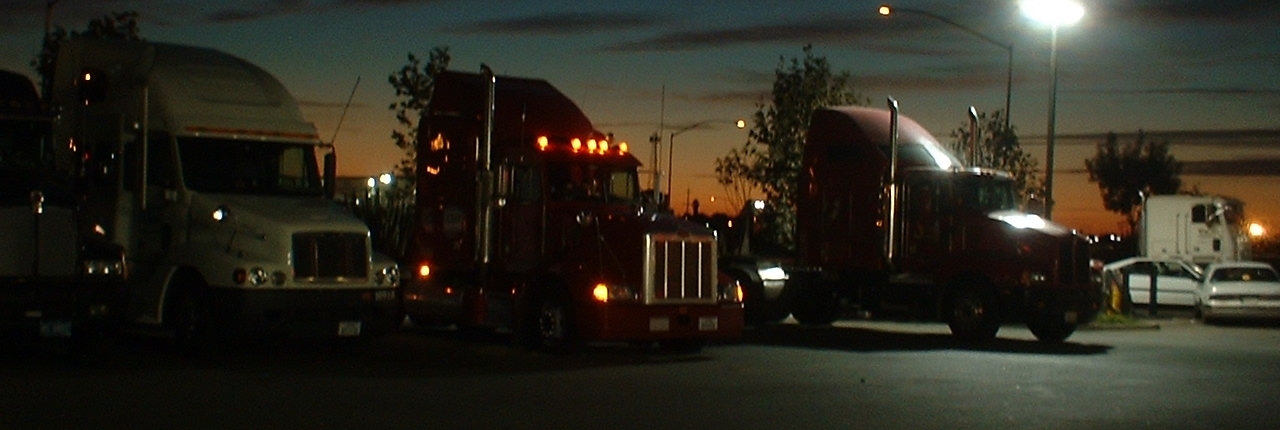

 Women truck drivers will have specific concerns about hygiene that male drivers won’t. And unfortunately, sometimes male drivers, fleet managers, or truck stop employees may be unaware or unsympathetic to these issues.