The Benefits of Truck Driving Jobs for Military Veterans
Trucking jobs offer flexibility for veterans to spend time with family and explore the country. CDL jobs provide good salaries, job security, and career advancement. They also play a crucial role in our economy by transporting goods across the country.
Why Veterans Should Consider a Truck Driving Career
Military veterans have a natural edge when it comes to truck driving careers. The skills learned in the military, across various branches and roles, can be effortlessly applied to truck driving. With a successful military career, you most likely already have the traits that make for a great commercial truck driver. Don’t be surprised to realize how much potential you have in this line of work.
Work Environment
Truck driving careers offer a unique blend of independence and camaraderie. Drivers enjoy the freedom to choose their own hours and income while also being supported by their carrier and a tight-knit community of fellow drivers. With the potential for high earnings, a career in truck driving is an attractive option for veterans seeking a fulfilling and flexible career path.
Skills and Requirements
Truck driving demands a thorough understanding and adherence to rigid government safety regulations and company policies, which include mandatory rest periods and defensive driving practices. Adhering to these guidelines is essential for truck drivers to enjoy a long, prosperous career. Most veterans already possess the fundamental skills that trucking companies seek during intensive training and field experience, such as situational awareness, dependability, leadership, management, and teamwork. Furthermore, disciplined and committed military veterans won’t have any trouble acquiring specific driving skills through CDL training and driver orientation.
Waive the skills test!
Veterans with significant military driving experience may be eligible for a skills test waiver, and those with a CDL from their time in the military can start their driving career with a higher pay rate.
Job Security
Veterans seeking job security, a steady income, and retirement options should consider a truck driving career. Your talents are in high demand. It’s an excellent career transition option for retired veterans with the added benefit of company benefits.
The trucking industry needs skilled and dedicated drivers. Fortunately, military veterans possess the qualities and capabilities that make them ideal candidates for a successful career in truck driving. With the added benefits and support available to veterans, this path offers a promising and fulfilling option for those seeking a new direction.
Ultimate Guide to Truck Driver Recruiting
Current ways of recruiting truck drivers just don’t work anymore. That’s because recruiting isn’t a transaction. This ultimate guide helps carriers recruit for retention.
https://www.drivemyway.com/wp-content/uploads/2023/05/WP-Cover-Images1.png8001600Megan Andrewshttps://www.drivemyway.com/wp-content/uploads/2022/03/Untitled-1-3.pngMegan Andrews2023-05-04 18:08:002023-05-04 18:08:00Advantages of Truck Driving Jobs for Veterans
Truckers Against Trafficking (TAT) was founded in 2009 and has since become a powerful force in the fight against human trafficking. Working alongside trucking industry associations, motor carriers, government transportation agencies, law enforcement agencies like the FBI, as well as truck stops and travel plazas, TAT has trained over 730,351 drivers and personnel to identify and report instances of human trafficking. Their efforts have resulted in over 2,250 calls to the national trafficking hotline by truck drivers, leading to the identification of 612 human trafficking cases and the rescue of 1,133 victims. By partnering with TAT, trucking and busing professionals become an invaluable asset in the fight against this atrocious crime, as they possess a unique vantage point to root out traffickers who exploit our transportation infrastructure for their own selfish purposes.
Truckers Against Trafficking has spread its wings and taught members of state trucking associations to be vigilant in identifying and reporting cases of human trafficking. Today, all 50 state associations have received training, making the powerful network of truckers, bus lines, and major airlines provide a watchful eye to ensure that human traffickers have nowhere to hide. Additionally, some bus lines and airlines now offer travel vouchers to survivors of human trafficking to ensure their safe return home. This growing network of eyes and ears makes our roads safer for everyone. TAT has formed partnerships with numerous companies in the transportation industry to raise awareness about the signs of human trafficking. By working together, these companies and TAT are making a tangible difference in the fight against this heinous crime.
There is a Hotline For Reporting Human Trafficking
Before the establishment of Truckers Against Trafficking (TAT), truckers only reported sporadic tips about human trafficking. However, with TAT’s efforts, there has been a significant increase in calls to the National Human Trafficking Hotline at (888) 373-7888, text 233733. In 2017, TAT reported that nearly half of the cases generated by truckers’ calls involved minors. TAT’s collaboration with the trucking industry and law enforcement agencies has made a difference in the fight against human trafficking.
Available Resources for Education/Training about Human Trafficking
Get free training materials from Truckers Against Trafficking, including a DVD, wallet cards, and window decals, to educate and train individuals and organizations on identifying and reporting human trafficking. Once trained, register with TAT and help fight against human trafficking. Contact truckers@gmail.com for your materials today.
Other Ways to Help
Stay alert for suspicious activity and report any signs of trafficking. This includes young people around truck stops and code words like “lot lizard” or “Commercial Company.” Report any indicators, no matter how insignificant they may seem, to the tip lines. Educate yourself about the issue by ordering Renting Lacy: A Story of America’s Prostituted Children, a gripping account that exposes the dark underworld of the trafficking industry through the stories of those who live there. Available in paperback, e-book, and audio book formats, so you can listen on the road.
Together, we can make a difference in the fight against human trafficking. No industry is exempt, and it’s up to all of us to take action. We can’t rely solely on our police departments. It’s time for companies and individuals to step up and do their part. We all travel on our nation’s roads, and with that comes a responsibility to educate ourselves on this national epidemic. Let’s work together to put an end to it.
“How Truckers Can Stop Human Trafficking”, American Trucker, Nov.1, 2017.
“More States Signing on to Enlist Truckers Against Human Trafficking”, Trucking Truth, June 24, 2019.
https://www.drivemyway.com/wp-content/uploads/2023/05/TAT_logo1-300x300-1.png300300Megan Andrewshttps://www.drivemyway.com/wp-content/uploads/2022/03/Untitled-1-3.pngMegan Andrews2023-05-04 17:57:402023-05-04 18:28:22How Truckers Against Trafficking is Making a Difference
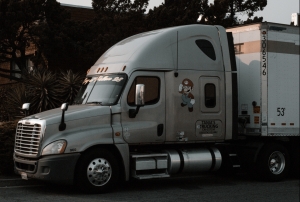
As it stands right now, 91% of all truck drivers on the road are company drivers. Since these drivers make up such a huge part of the industry, it’s important to know the pros and the cons of being one. Here’s everything you need to know about being a company driver.
What is a Company Driver?
A company driver is a truck driver who works under the authority of someone else, usually a trucking carrier or private company.
How much do Company Drivers Make?
There’s no set salary for a company driver. It all depends on your experience, your location, and what you haul. That being said, there’s a rough estimate that the average company driver in the US makes around $65,000 a year. But don’t get too attached to that number, it can be higher or lower based on the factors mentioned above.
Pros of Being a Company Driver
Great for Beginner Drivers
If you’re just starting out in trucking, it’s almost a certainty that you’ll be a company driver at first. These jobs are a great way to learn the ropes as a driver without having all the financial risk of being an owner operator.
Benefits Packages
Health insurance isn’t cheap. As a company driver, you’ll more than likely be able to buy into a health insurance plan offered by your carrier. This means that you can rest easy knowing that you and your family are covered for medical expenses at a reasonable rate.
Low Risk
As a company driver, there’s little financial risk involved. You don’t have to worry about costs, accounting, and the overall financial health of the carrier you work for. You show up, drive, and collect your paycheck.
Your home time is yours as well. You’re not spending your free time worrying about cutting your costs or finding the best insurance policy.
Cons of Being a Company Driver
Less Money… Usually
It’s not a secret that on average, owner operators will make more than company drivers. Instead of the carrier handing you your slice, the whole pie is handed from the customer directly to you.
Take this con with a grain of salt though. While it’s possible to make a lot of money as an owner operator, you need business savvy as well.
When you’re a company driver, you have little to worry about aside from getting your haul from point A to point B. As an owner operator, you’re not only doing that but running your own business as well. You need to think about all your costs, including insurance, healthcare, fuel, and more.
There’s even the possibility that you could be doing everything right as an owner operator, but get blindsided by a hit to the freight market like we saw post-COVID. This is why many drivers spend their whole careers as company drivers. Less money, but less risk as well.
Less Control
As a company driver, you have little control over what you haul or where you’ll go. Sure, you have options when you’re looking for a job, but once you start, you’re bound to what the boss man tells you.
This control can sometimes go beyond telling you what to haul and when to haul it. Carriers can put driver-facing cameras inside your cab while you’re driving, put speed limiters on the truck’s engine, and have GPS systems that track every turn the truck makes.
While some drivers won’t mind this oversight, others might and begin to think about their options setting out on their own as an owner operator.
The bottom line is that if you’re still relatively new to trucking, it’s best to stay as a company driver. Once you feel like you have enough experience under your belt and are financially ready to purchase a truck, then it’s time to consider making the switch.
If you’re looking for a new job as a company driver, consider making a free profile with Drive My Way. We match both CDL and non-CDL drivers with jobs that match their qualifications and lifestyle preferences.
Drive My Way matches you with a job based on your preferences like pay, home time, touch level, and more.
https://www.drivemyway.com/wp-content/uploads/2023/03/AdobeStock_193218762-scaled.jpeg13662048Reid Smithhttps://www.drivemyway.com/wp-content/uploads/2022/03/Untitled-1-3.pngReid Smith2023-04-14 09:00:582023-03-08 13:35:07Everything to Know About Being a Company Truck Driver
Should you buy new or used? How can you know if it’s really a reliable vehicle? What are my financing options? Buying a semi truck is a big decision, and there’s a lot of factors that go into making it. If you’re thinking about taking the leap to become an owner operator or you’re expanding your fleet, read this list before you buy your next truck.
1. Know Your Specifications and Preferences
The first step for serious semi truck buyers is to know your specifications. Consider what types of loads you want to haul, and find out exactly what your minimum specifications are. Then, don’t even look at trucks that don’t meet those specifications. If you’re not confident in the specifications you will need in your rig, find other drivers in similar roles. Ask them what has worked for them. Verify that the specifications that you’ve seen online are really enough to get the job done.
Once you’ve met your minimum specifications for your haul type, it’s time to be realistic with yourself. Do you have any strong tractor preferences on vehicle type or features? While there may be some features you will ultimately sacrifice for cost, it’s important to know your personal “must-haves.” You’re going to spend a lot of time in this truck, so don’t waste your money on something you don’t love.
2. Decide New vs. Used
There are pros and cons to both new and used trucks. The choice between the two depends a lot on your needs and preferences as a driver.
We spoke with Alessandra Szul, President of Flatbush Freight Express about buying new vs. used trucks, and she shared that their decision is based heavily on whether they are financing the truck.
“If we aren’t financing, we typically buy used trucks that have less than 300,000 miles on them (nothing older than 2016) and a flawless maintenance record. It allows us to scale more, hire more drivers, and still have very reliable units that we can easily own outright. If we we’re financing, we’d go with a new truck.”
Ultimately, there are pros and cons to both paths. It’s important to choose the option that allows you to stay financially stable in the short and long term while meeting your goals.
New Trucks
A new truck is arguably a more reliable initial investment. Since you are the first owner, you know the vehicle’s history. The seller will give you detailed information on the vehicle before you decide whether to buy the truck. Also, new trucks won’t require significant replacement parts or maintenance for a while. They may also come with a factory warranty to see you through the first few months or years of truck ownership. If there is a factory warranty, make sure to read the fine print closely to know exactly what is and is not covered and for how long. The biggest downside of a new truck (and it’s no small thing) is cost. New trucks are considerably more expensive than used trucks. For some drivers, the peace of mind may be worth it, but many drivers look for a reliable used truck to reduce the cost.
Used Trucks
The alternative to a new truck is a used truck. Used trucks are less expensive and can be a great option, but pay close attention to details when buying a semi truck. First and foremost, buy from a reputable source. Reputable dealerships should be able to give you a complete history of the truck. Individual owner operators looking to sell a truck can also work well, but we recommend only buying from a trusted driver who you know well.
In either case, it’s a good idea to talk to the truck’s previous drivers if possible. They know the truck better than anyone else. When we asked Alessandra about her criteria for buying used trucks, she shared this advice:
If you’re going used, MAKE SURE you’re buying an extended warranty that INCLUDES critical components coverage. READ the warranties, so you’ll never have any surprises! Also, we recommend going with a certified pre-owned that used to be part of a huge corporate fleet. They usually take care of their vehicles really well and have great records. Ask what hasn’t been replaced, what has been replaced…”
She went on to say,
“The biggest tip is to spend the extra money to get a 3rd party to do an independent inspection and ask for a copy of it. Don’t just take the dealer’s word for it, no matter how “big” of a dealer they are. Spending a little extra for the peace of mind from a fair and honest inspection is well worth the cost. If you’re able to get a full vehicle history and the inspection comes back clean, you probably have a great rig on your hands at a fraction of the “new” price.
Test the Truck
Before you walk off the lot with a new semi truck, make sure you test the truck. You know what a good truck sounds like. Start the engine and do a thorough inspection as you look and listen for anything that seems out of order. Take the truck out for a test drive. Does it handle smoothly? Is there anything in the movement of the cab that could be a sign of trouble below?
Trucker Style Shawn
We spoke with Trucker Style Shawn, a truck driver and now fleet owner, and he shared his advice for what to look at before buying a semi truck:
“Get an oil sample so you know you are getting a healthy motor. Replacing wiring, brakes, valves and other items like that all add up, so take that into consideration as well before buying.”
Just as important as truck performance is comfort. Spend some time in the cab. Is it a good fit for you? Is it comfortable enough to spend thousands of hours in? Be honest with yourself about comfort. You might be able to compromise on some features if everything else looks good, but a truck that is not comfortable is not a good investment.
4. Know When to Walk Away, and Know When to Run
If you’re buying a semi truck, you might not buy the first, or even the 10th truck that you look at. Be patient. An investment this big is worth taking your time on. Do your research ahead of time, and create a list of your most important features, specifications, and your price range before you visit a vehicle. This list will keep your priorities front and center – an important thing when you’re tempted by a nice-looking vehicle that doesn’t meet your criteria.
“Make sure the truck is ready and able to be driven on the road without worries of failing a DOT inspection. Remember your livelihood is dictated by the truck, if it isn’t healthy your pockets won’t be.”
Comprehensive CDL Recruitment Solutions
Ready to start recruiting the right drivers? Our solutions experts are happy to answer any questions and show you how Drive My Way uniquely approaches CDL driver recruitment.
https://www.drivemyway.com/wp-content/uploads/2021/05/trucker-2946821_1920-e1670254978496.jpg8441920Reid Smithhttps://www.drivemyway.com/wp-content/uploads/2022/03/Untitled-1-3.pngReid Smith2023-04-14 09:00:242023-03-10 13:37:46Buying a Semi Truck: 4 Tips to Consider
As an owner operator, preventative semi truck maintenance is extremely important to not only your truck’s longevity, but your financial health as well. Preventative maintenance can be the difference between paying a couple hundred bucks and a couple thousand for a repair.
As a company driver, you may be thinking that preventative maintenance isn’t your problem, so it’s something you’re not going to worry about. While It’s true that you won’t be on the hook financially if something goes wrong with a truck, it could end up costing you something even more valuable than money; your time.
If you notice something is wrong with your truck while doing your pre-trip inspection, let your carrier know immediately. While it might not be an issue for this run or the next one, it’ll become a problem eventually; A problem that could leave you stranded on the shoulder of the highway waiting for a maintenance truck to come.
Here are the most important things you should be looking at on your truck in terms of preventative semi truck maintenance.
Semi Truck Maintenance Checklist
Brakes – In terms of road safety, brakes are undoubtedly the most important part of your truck. They can also be one of the most expensive parts to replace. Here’s a helpful video on how to check your brake lining during your pre-trip inspection.
Tires – if your brakes are the most important thing to do preventative maintenance on, then your tires are a close second. During your pre-trip inspections, look at all your tires to make sure there’s nothing unusual about them, like bulges or cuts. Also, make sure you’re practicing proper tire safety in the winter if you’re going to be driving in the snow. Check out our guide on how to properly chain up your semi-truck tires for more information.
Electrical System – Your truck’s electrical system should be checked as well during your pre-trip inspection. Do a quick walk around your truck to ensure that all your lights on both your cab and trailer are functional and that there are no cracks in the lenses that house the lights. Also, do a quick check under the hood to make sure all cables and wires are correctly tightened and that there’s no corrosion or strange smell coming from your battery.
Fluids – Checking your fluid levels and scanning for any leaks before you start a run is another way to practice routine semi truck maintenance. Always keep spare fluids like oil, coolant, and windshield wiper fluid in your cab so that you can make those quick changes when you need to. This is especially important during the winter months.
Performing preventative semi truck maintenance on your truck may seem like a lot of work, but once you get into the routine of doing it, it’s just another part of your run. The most important rule is if something seems off with your truck, investigate it. The extra 5-10 minutes you take to do it will be well worth it if it turns out to be a problem that could cost you thousands of dollars if gone unchecked.
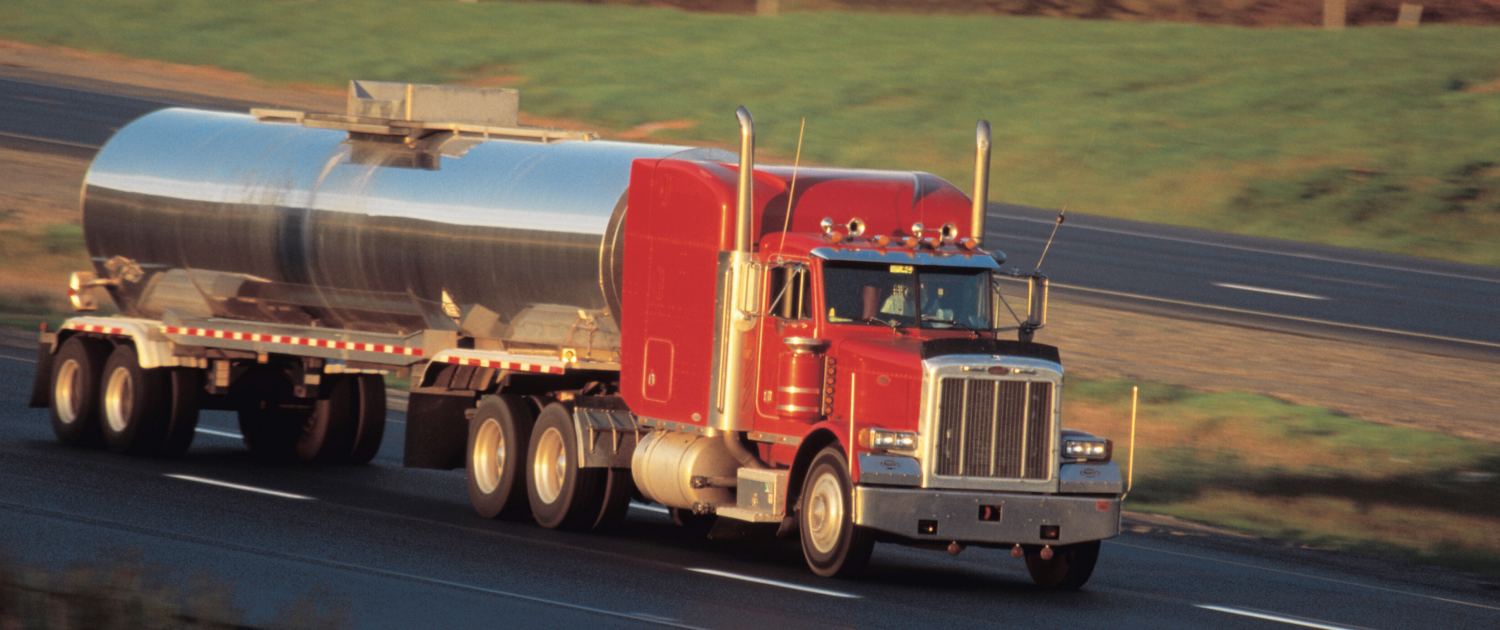
When someone says they’re a truck driver, some people might think that’s all there is to it. But if you’re a driver, no matter if you’re in your first year or a seasoned veteran, you know that there are many types of driving jobs. Today’s spotlight is on being a tanker truck driver. What do drivers love about hauling tanker trucks? What would they change? Here’s what you need to know if you’re thinking about becoming a tanker truck driver.
The Pros
1. Good pay for the industry
Tanker truck drivers average $20.32/hour across the United States. That’s higher than the average hourly wage for many other driving positions. As with any job, pay increases with endorsements and experience.
Some tanker truck drivers may have longer hours. The good news is that most of these jobs are also hourly. If you have a long run, you’ll get paid for your time.
The pay also depends on the material you haul. Hazmat driving typically earns more because of the experience required and extra job risks.
2. Good benefits
Not all tankers drive Hazmat, but many do. Because being a tanker truck driver is considered slightly more dangerous than other types of CDL driving, the benefits are also better. Good health insurance, life insurance, and vacation days are all standard for tanker drivers.
3. Typically short load/unload times
Loading and unloading a tanker truck is done with a big hose. While you might wait for hours to get your dry van or reefer unloaded, you’re usually in and out in 15 – 20 minutes when unloading a tanker. Getting loaded usually takes around 45 minutes.
4. Many drivers are home every night
Tanker truck jobs are typically regional or local hauls. Frequent home time is a huge perk of being a tanker truck driver. You get to spend more time with your family and stay closer to home while doing a job you love.
If home time is a priority for you, becoming a tanker truck driver might be a great way to be home every night or nearly every night.
5. Can be no touch freight
As a Hazmat driver, you’re often no touch. Frequently, your clients will take care of loading and unloading, so you don’t have to worry about heavy loads or the liability of handling freight. You may still be hooking up hoses, but you won’t have to tarp a load on a windy day.
The Cons:
1. Driving takes some adjustment time
When driving a tanker truck that isn’t full to the top, there is room for your load to move when you start and stop. This is called “surge.” Basically, if you slow down too quickly, the liquid in your load will be a little bit behind. A moment later, you might feel the liquid slam into the front of the tank. The force can be enough to slide your whole truck forward several feet! It’s challenging at first, but most drivers say they adapt quickly and use safe driving habits.
2. Can be more dangerous than other hauls
If you’re a tanker truck driver, there’s a good chance you’re hauling Hazmat. Whether that’s chemicals, hot oil, gasoline, or something else, it does increase your risk.
Normal activities like checking your load and your driving time can be more dangerous.
Even if you’re hauling food grade or other non-hazardous materials, climbing on top of a tanker truck in icy conditions can be dangerous.
3. Draws more attention from DOT
While there aren’t any studies that officially confirm this, some drivers report that Hazmat drivers tend to draw more attention from DOT. This also may depend on the reputation of the company you’re driving for and the region you’re driving in.
4. Safety equipment
If you’re a hazmat driver, you will have a few extra safety requirements. A big one is the uniform you wear. If you’re a tanker driver, you typically wear fire resistant coveralls and an H2 monitor as protection from toxic fumes.
If you live in a hot part of the country, it’s not always comfortable, but it’s a small price to pay to keep yourself a little safer.
During load and unload times, you will also wear safety glasses and a helmet with a face shield to reduce your risk.
The Take Away
As with any job, there are pros and cons to being a tanker truck driver. If home time and good pay are a high priority, this might be the perfect job for you. There are extra risks for tanker truck drivers, but there are also specific rules to help drivers stay safe. Overall, most drivers who haul tanker trucks say they love it and are never going back.
Drive My Way matches you with a job based on your preferences like pay, home time, touch level, and more.
https://www.drivemyway.com/wp-content/uploads/2020/03/tanker-truck.png15224000Alayna Klcohttps://www.drivemyway.com/wp-content/uploads/2022/03/Untitled-1-3.pngAlayna Klco2023-03-17 09:00:242023-03-06 16:53:46Pros and Cons of Being a Tanker Truck Driver
Moving violations are the gift that keeps on giving. Of course, safe driving practices are the best solution, but violations happen. If you have violations on your motor vehicle record (MVR) or Pre-Employment Screening Program (PSP), there are steps you should take before your next job interview. Don’t get caught by surprise by a violation you didn’t know was on your record. Here’s what you need to know to keep your record in top shape.
What is a Moving Violation?
A moving violation is quite simply a violation that occurs while the vehicle is in use. This most often means when the vehicle is actually in motion, but there are some moving violations that can occur with a stopped vehicle as well.
MVR vs. PSP
When you are preparing for a CDL job change, it’s a good idea to check both your MVR and your PSP. They are not the same thing, and employers are likely to check both before moving forward with an in-person or virtual interview. Here are the basic differences:
Motor Vehicle Record (MVR)
Pre-Employment Screening Program (PSP)
Includes violation from a specific state
Comes from a federal database and includes FMCSA violations
Only includes violation convictions. Length of history displayed varies by state
Has ALL safety violations cited to a driver with 5 years of crash history and 3 years of roadside inspection history
Citations, warnings, and unsettled tickets will NOT appear
Citations may appear even if there was no ticket given
Only contains data from the driver’s CDL issued in that particular state
Includes data from any CDL numbers a driver has held in the past 5 years, regardless of the state
There are some violations, such as a speeding ticket, that can appear on both an MVR and a PSP. In that situation, the violation is only counted once. Drivers are not double penalized. Both MVRs and PSPs use a point system to indicate a driver’s safety levels. Every violation is assigned a point value and may be weighted by how recently the violation occurred. Then, the point total gives an overall indicator of a driver’s safety record. For an MVR, the specific point values vary by state. PSPs are federally regulated. The bottom line? Low scores are better.
What Counts as a Violation
There is a wide range of things that can be safety violations. Everything from speeding tickets to CSA violations can show up on your record. Some offenses (like speeding 5 mph over the limit) will typically result in only a few points, while others (like an expired inspection sticker) can add quite a few points to your record. There are a few moving violations that can land you an automatic license suspension from the FMCSA. Excessive speeding, leaving the scene of an accident, Drunk Driving and Driving While Impaired (DWI), and criminal conduct are all serious violations that may disqualify you as a professional driver.
One of the most important things to realize is that your MVR is not only impacted by your time operating a commercial vehicle. Any violations that you get while driving your personal vehicle will also show up on your professional record.
If you see an incorrect citation on your MVR or PSP, you are able to contest it. For an MVR, a good place to start is with your employer. If you believe there is a mistake, they may be able to help correct your record. For a PSP change, use the FMCSA’s website to request a review of a specific citation. You can also ask your employer to advocate on your behalf. They also want their drivers to have clean records to keep CSA scores and insurance costs low.
Who Will See My Driving Record?
Future employers are the most likely people to check your driving record. Any time you apply for a new job, you can put money on the fact that they’re checking your MVR and PSP. If you have too many violations on file, a company with a high CSA score might consider you too risky to bring on because they can’t afford more incidents. At the same time, a company with really low CSA scores might also say no because they want to keep their scores as strong as possible.
As a driver, YOU can also check your MVR and PSP. And you should. Don’t get blindsided by an unexpected citation when you thought you had a clean record. It’s usually quick and cheap to get an MVR from your local DMV. You can get a copy of your PSP for $10 online. Looking at a copy of your MVR and PSP is the only way to be completely confident in what your future employer will see. It’s well worth your time.
If you do have violations on your MVR and PSP, don’t assume you are out of the running for a new job. Drive My Way Account Executive and former Hiring Manager, Kilie Erickson shared her perspective:
“If you have, for example, one preventable accident, it’s really about the driver’s response when being asked about it. Drivers that tend to have an excuse for everything are the ones that are really going to have a harder time getting in. It’s about taking responsibility for something that happened and demonstrating corrective action.”
If you made a mistake, take responsibility. The best drivers also share how they have changed their driving habits to make sure it doesn’t happen again. A good driver isn’t perfect, but they are safety-minded and focused on improvement.
Find a Truck Driving Job
Drive My Way matches you with a CDL job based on your personal preferences and qualifications.
https://www.drivemyway.com/wp-content/uploads/2021/04/zhenyu-luo-Zp5uth4v7yY-unsplash-e1618842773539.jpg49504005Alayna Klcohttps://www.drivemyway.com/wp-content/uploads/2022/03/Untitled-1-3.pngAlayna Klco2023-03-17 09:00:202023-03-06 16:53:59The Impact of Truck Driver Moving Violations on Your CDL
For truck drivers, the path to increased earnings comes with experience and endorsements. Endorsements are special designations given to certain truck drivers so that they can drive specialized types of vehicles or haul materials that are dangerous or difficult to haul.
Two of the most popular endorsements are the “N” and “X”. Here’s what you need to know about those endorsements including their requirements, differences, and the jobs you can get with them.
Are There Different Tanker Endorsements?
Yes, there are two different tanker endorsements. The “N” endorsement allows drivers to haul a tank trailer. The “X” endorsement also allows a driver to haul a tank trailer with HAZMAT material inside. This means that the “X” endorsement is really just a combination of the “N” and “H” (HAZMAT) endorsements.
“N” Endorsement
The “N” endorsement allows a driver to haul a tank or “tanker” full of liquid or gaseous materials that the FMCSA doesn’t consider dangerous. These jobs are often higher paying and usually are local or regional runs, so you’d have more home time than some other jobs.
A tanker truck driver needs to be able to adjust to having his cargo constantly moving around if the tank is not full. Dealing with the “surge” caused by the movement of the liquid in the tank while driving takes some practice and skill development.
“X” Endorsement
The “X” endorsement allows a driver to haul large loads of liquid or gaseous HAZMAT cargo inside of a tanker. Having an “X” endorsement even further separates these drivers and their skill sets from the rest. If a driver has any plans to be in the gas and oil hauling business, an “X” endorsement will certainly be required.
What are the Requirements for an “N” or “X” Endorsement?
As of right now, all that’s needed to secure an “N” endorsement is to take an additional written knowledge test. This can be done at a testing location in your state. Visit your state’s DMV/BMV for more information on where to test and what information the test will cover.
Because of the dangerous nature of hauling HAZMAT liquids and gases, obtaining an X endorsement is a little more involved. In addition to passing a written test, you need to pay for and pass a TSA background check as well.
These requirements are on top of what’s required to hold a CDL A.
What are the Benefits of Getting an “N” or “X” Endorsement?
More Opportunities
Companies that haul any type of liquids or gases will require drivers to have either an “N” or “X” endorsement. By securing that, you’re already opening yourself up to a number of high-paying jobs that many truckers can’t get into.
More Money
Drivers with additional skills and endorsements often find that they are paid more than drivers without. Driving a tanker requires additional safety skills due to the unstable nature of hauling liquids. Therefore, drivers with tanker endorsements are many times some of the highest paid truckers on the road. The payoff of seeing those paychecks increase certainly outweigh the up-front costs to pay for a tanker endorsement and training.
Getting your “X” or “N” endorsement can be very beneficial to any CDL truck driver, regardless of what career stage they’re in. With a tanker endorsement, the job pools is bigger, the pay is likely higher, and overall earning potential as a trucker increases.
If you’re looking for tanker truck driving jobs, you’re in luck. Drive My Way partners with carriers who have open tanker positions for drivers with “N” and “X” endorsement. Complete your driver profile below, and be sure to include that you have that endorsement. We can match you to a great new job that best fits your lifestyle and driving preferences.
Find a Tanker CDL Job
We match you with a job based on your personal preferences and qualifications.
https://www.drivemyway.com/wp-content/uploads/2023/03/AdobeStock_212387564-scaled.jpeg12022048Reid Smithhttps://www.drivemyway.com/wp-content/uploads/2022/03/Untitled-1-3.pngReid Smith2023-03-02 11:55:592023-03-02 17:33:07Should I Get an “N” or “X” Tanker Endorsement?
Some truck drivers love being on an empty highway at night, while others prefer to do their hauling during the daytime. No matter which you prefer, most truck drivers will put in their fair share of night driving at some point in their career.
Depending on what you drive, what you’re hauling, and who you drive for, night shifts might be your normal routine, or something you only do once in a blue moon. If you’re a new driver looking for information about what it’s like to drive at night, here are 7 things you should know about night truck driving.
1. Your body’s natural rhythms are at a lull
Most people’s energy level and alertness will drop during the late night and early morning hours. If you stay up throughout the night consistently, your body will eventually adjust to the change, it just takes a while.
While you’re in that period of adjustment, it’s important to do whatever you can to stay alert. Caffeine can help, but overreliance on it can cause its own issues. Consider listening to an audiobook or podcast to keep your mind active and engaged. A good diet and exercise can also help your body adjust to night driving faster.
2. Your visibility is weakened
Humans don’t have great night vision. When the sun goes down, your peripheral vision weakens, and you won’t be able to see as far ahead. This can make it hard to see animals that jump out at the last minute or other obstructions in the road. It also means your response time to other drivers and events on the road is likely to be a little slower.
This is why you should leave yourself extra space whenever possible. The normal stopping distance that trucks need during good weather conditions is around 370 feet. When you’re driving at night, try and give yourself even more than that, closer to 600 feet.
3. Traffic is usually lighter
Much of the world operates during the day, so if you’re night driving, you will rarely have a problem with traffic. That said, the other drivers who are out are also at a low point of alertness. Keep your distance and drive defensively. You never know what other kinds of drivers are on the road.
4. Deliveries can be more dangerous
At night, there are fewer people around, and you’re more likely to run into bad characters. Some drivers say this is especially true in urban areas when you’re making a delivery.
Always stay alert and take every precaution you can if you need to get out of your cab. If you’re traveling to a new area, try to learn what you can about the drop before you go. Street view on Google maps is a great resource to see exactly where you’re going.
5. You’re on your own
Most dispatchers and customers aren’t operating 24/7. This means less after-hours assistance if you run into trouble or need last-minute directions to the customer.
If you’re an independent driver who loves being self-reliant, this most likely won’t be an issue for you. If you’re a new driver, don’t let this scare you. As long as you’re sufficiently prepared and keep a few essential toolsin your cab, you’ll be good to go.
6. Parking options are better
Night drivers aren’t competing for parking in the same way that other drivers are during the day. Most of the time, you won’t need to dock early or plan your route around the places you know you can stop.
That can be a huge time saver (not to mention the headache you avoid!). If you do need to look for parking or gas, try TruckerPath or GasBuddy to get you where you need to go.
7. You should keep your windshield, headlights, and mirrors clean
Glare can be a big problem for night truck driving. Luckily, a little glass cleaner and elbow grease usually does the trick. Reducing glarefrom your mirrors and windshield will go a long way toward increased your visibility and keeping you safe.
Similarly, try not to look closely at oncoming traffic. The bright white lights will temporarily impair your vision. Look slightly down and to the right (or at the white road line) to avoid the negative effects.
Like everything, night truck driving has its pros and cons. Having less vehicles on the road is a huge pro for many drivers, but it comes at the cost of increased danger. There are three times as many crashes that happen during night as opposed to during the day.
If you’re ever in a position where you feel that you’re not sure if you can stay awake, pull over immediately. No load or deadline is worth your life or the life of other drivers on the road.
Drive My Way matches you with a job based on your preferences like pay, home time, touch level, and more.
https://www.drivemyway.com/wp-content/uploads/2020/04/AdobeStock_316892429-scaled.jpeg15832048Reid Smithhttps://www.drivemyway.com/wp-content/uploads/2022/03/Untitled-1-3.pngReid Smith2023-03-01 10:31:472023-03-01 16:12:597 Things to Know About Night Truck Driving
Tax season may not be your favorite time of the year, but it also shouldn’t be something you’re afraid of. As a truck driver, there are a number of tax deductions that you could be taking advantage of this year. Here are those deductions, plus the three golden rules of filing taxes.
The money you spend for work on the road might increase the money you get back from taxes. So, keep a careful record of any costs you have that are job related. Staying organized might bring you a big payoff in your taxes. Remember, if you have any questions or doubts, ask a professional.
The Trucker’s Report made this list of trusted sources who know trucking. Many tax companies offer a first free conversation that can clear up your concerns. You can also use services like Turbotax or H&R Block to make filing easier. Let’s get started.
Step 1: Find your Form
If you are a company driver, you can no longer claim work-related deductions on your taxes. This is thanks to changes to the tax code made by the Tax Cuts and Jobs Act a few years ago.
If you are an owner operator, you’ll need the 1099 forms that your customers should have sent you to fill out your Schedule C. This is where you fill out your income and expenses from the last year. If you made the leap to become an owner operator, it’s important to stay very organized. This form allows you to carefully itemize the costs of your work and deduct them from your taxes. That’s money back in your wallet!
Step 2: Save Money with Truck Driver Tax Deductions
This is the good stuff. Claiming work-related tax deductions is important. It reduces your adjusted gross income, and that means you pay less in taxes.
Here’s how it works: John makes $75,000 annually as an owner operator (his “gross income”). He is able to claim deductions for licensing fees and other work expenses that total $6,500. Since John already paid $6,500 for these expenses and wasn’t reimbursed, he can subtract $6,500 from his total income. Now, John only pays taxes on $68,500 (his “adjusted gross income” or AGI).
A lower adjusted gross income means you pay less in taxes. You report your gross income and then calculate your adjusted gross income on your tax forms, but only the adjusted gross income is taxed.
Now, let’s find those truck driver tax deductions!
Key Non-Deductible Expenses
We’re all for saving money, but there are a few common costs that are NOT deductible. Drivers are NOT allowed to deduct the following things from their annual income.
Expenses reimbursed by your employer
Clothing that can be adapted for everyday wear
Commuting costs to the company headquarters. However, many companies WILL reimburse for commuting costs to the truck yard. If you’re not sure, ask your company.
Home phone line
Owner OperatorsCANNOT deduct the time spent working on their equipment
Owner Operators CANNOT deduct the income lost as a result of deadhead/unpaid mileage. But, Owner Operators CAN deduct the expenses incurred to operate the truck during that time such as fuel, tolls and scales. etc.
Owner OperatorsCANNOT deduct for downtime
The 9 Deductions You Should Consider
1. Cell Phone Plans & Internet fees
No driver spends a significant amount of time on the road without using their phone and internet a lot. Luckily, the IRS agrees. Since most drivers use their phone for both personal and professional purposes, you are allowed to deduct 50% of your phone and internet costs. You can also deduct the entire cost of a new phone or laptop that you bought this year. Communication and technology costs add up and now you can show it in your taxes!
2. Medical Exams
Did you see a doctor for a work-related issue? Deduct the out of pocket cost! Normally medical expenses are not tax deductible, but in this case, they are actually considered business expenses. Your health is a top priority, and it’s nice to have that recognized during tax season.
3. Licensing Fees
Any costs that you pay to get and maintain a CDL license can be claimed!
4. Food on the Road
Drivers who spend long hours on the road are allowed to deduct food expenses from their taxable income. The IRS understands that you’re spending a lot of time behind the wheel and food costs add up! Drivers are allowed to deduct either a per diem amount (this varies based on where and when you drive) per day from their annual income. The other method is to keep your receipts from each time you buy food. When tax time comes, you’ll be able to deduct 80% of what you paid in meals for the year. Local drivers are not allowed to deduct food costs because you are able to eat at home after your route is complete.
5. Truck Repairs/Maintenance
Any expenses you paid to repair or maintain your truck that were not reimbursed can be claimed! Cleaning and maintenance costs are also deductible. This could include truck parts, cleaning supplies, etc., but NOT the cost labor if you repair the truck yourself.
6. Association Dues
Most drivers are required to be part of a union or other collective trucking group. Any required fees to take part in these groups are deductible. If you are part of additional trucking groups, you may still be able to deduct the cost. You can claim this deduction if you can demonstrate that it helps your career or is a regular membership in the trucking industry.
7. Personal Products
Personal products are typically the small purchases (that really add up!) that are necessary on the road. It could include food storage (think a cooler), logbooks, a flashlight, specialized clothing, electronic equipment you need for the road (ex. A GPS), and much more. Keep careful track of all these little expenses because they add to a big total, and you can deduct them on taxes!
8. Fuel & Travel Costs
If you own your own truck, you can claim the exact number of miles you drove on the job. You can also claim vehicle related costs including maintenance (see above), insurance premiums, and loan interest.
9. Non-Trucking Standard Deductions
In addition to the specific deductions you get to claim as a trucker, don’t forget about the common deductions that aren’t related to your work. These could include things like child tax credits, lifetime learning credits, and child or dependent care among other things.
Step 3. File before April 15
It’s time. You’ve added costs and finished the paperwork. You’ll know by the time you submit your forms whether you need to send a check or will be getting a refund. You can file your taxes electronically or by mail as long as they are submitted by April 15.
And with that, kick back and relax! Your taxes are done for another year!




 As it stands right now,






 Comprehensive CDL Recruitment Solutions



 Future employers are the most likely people to check your driving record. Any time you apply for a new job, you can put money on the fact that they’re checking your MVR and PSP. If you have too many violations on file, a company with a high CSA score might consider you too risky to bring on because they can’t afford more incidents. At the same time, a company with really low CSA scores might also say no because they want to keep their scores as strong as possible.


 Yes, there are two different tanker endorsements. The “N” endorsement allows drivers to haul a tank trailer. The “X” endorsement also allows a driver to haul a tank trailer with HAZMAT material inside. This means that the “X” endorsement is really just a combination of the “N” and “H” (HAZMAT) endorsements.
 As of right now, all that’s needed to secure an “N” endorsement is to take an additional written knowledge test. This can be done at a testing location in your state. Visit your state’s DMV/BMV for more information on where to test and what information
  More Opportunities
 Some truck drivers love being on an empty highway at night, while others prefer to do their hauling during the daytime. No matter which you prefer, most truck drivers will put in their fair share of night driving at some point in their career.
 At night, there are fewer people around, and you’re more likely to run into
  Glare can be a big problem for night truck driving. Luckily, a little glass cleaner and elbow grease usually does the trick.