
 The weeks leading up to the winter holiday season always bring extra freight as retailers stock their shelves, grocery stores order ingredients for special meals, and online purchases make their way to customers.
Drivers play a key role in handling these shipments throughout the season, from moving imported merchandise into warehouses to delivering fresh food shortly before a holiday. Depending on the carrier and location, that demand can lead to seasonal openings, additional hours, or opportunities to join a company hiring for permanent positions.
For drivers exploring those opportunities, the type of freight can help narrow the search. A grocery delivery route may involve early starts and unloading at several stops, while a retail account might mean overnight trips between distribution centers. Keep reading for seven types of trucking jobs to consider during the holiday season, including what they haul and what to ask before applying.
1. Refrigerated and Reefer Drivers
Grocery stores stock up on turkey, fresh produce, dairy products, and frozen foods as customers prepare for winter holiday meals and gatherings. Refrigerated drivers help meet that demand by hauling food from farms and processing facilities to cold-storage warehouses, grocery distribution centers, and other suppliers.
Reefer work involves monitoring trailer temperatures, checking refrigeration equipment, and following each shipment’s loading instructions. Delivery schedules can include overnight appointments or early morning arrivals, so it helps to ask about typical start times and how much time drivers spend waiting at receivers. When comparing openings, drivers should also review detention pay and the company’s procedures for handling refrigeration problems or temperature changes.
2. Dry Van Drivers
Dry van drivers haul much of the merchandise associated with holiday shopping, including toys, electronics, clothing, decorations, and packaged household goods. Their routes may connect manufacturers and warehouses with retail distribution centers or move inventory between facilities as stores replenish popular items.
Drivers looking at these jobs should find out whether the freight is on a dedicated account or assigned across changing customers and lanes. Drop-and-hook work, live loading, weekend dispatches, and store deliveries can produce very different schedules. A clear explanation of expected miles and home time can help you judge whether an opening fits your holiday plans.
3. Less-Than-Truckload Drivers
Less-than-truckload, or LTL, carriers combine smaller freight shipments from multiple customers. Retailers and other businesses may use these services for pallets of consumer goods, replenishment orders, and merchandise that does not require an entire trailer.
LTL openings can involve local pickup and delivery or linehaul work between terminals. Local drivers may make numerous stops and handle freight, while linehaul assignments often involve nighttime driving. Before applying, be sure to review the equipment and endorsement requirements, then ask about freight handling, start times, and how routes are assigned to new hires.
4. Food and Beverage Haulers
Food and beverage drivers supply grocery stores, restaurants, hotels, and other businesses preparing for holiday meals and gatherings. These jobs overlap with refrigerated transportation, although delivery routes may include a mix of chilled products, dry groceries, bottled beverages, and other supplies.
Many foodservice and beverage positions involve unloading, using a hand truck, and bringing products into customer locations. Drivers may start early and make several deliveries before finishing their routes. If you’re interested in this work, you should be sure to ask about typical case counts, stairs or other delivery obstacles, available unloading equipment, and how pay accounts for the physical demands.
5. Last-Mile and Local Delivery Drivers
As online gift orders increase during the winter holiday season, local delivery companies may hire additional drivers to cover busier routes and keep up with shipping deadlines. These jobs involve bringing purchases from nearby warehouses or delivery stations to homes and businesses, often with frequent stops throughout the day.
Local opportunities can include package delivery, store replenishment, and delivery of larger purchases such as furniture or appliances. Equipment ranges from vans to box trucks and tractor-trailers, so license requirements vary. Drivers should review the expected number of stops, lifting requirements, delivery area, and whether a helper is provided. Daily home time may appeal to drivers, but busy routes can still mean long workdays.
6. Intermodal Drivers
Intermodal drivers move containers between ports, rail terminals, warehouses, and distribution centers, helping imported holiday merchandise reach domestic markets. Much of that activity happens ahead of the shopping season: retailers frequently bring goods into the country early so inventory is available when customers begin placing orders.
Because the import peak may arrive before November or December, drivers should check local hiring activity early. When reviewing an opening, be sure to ask whether it serves ports, rail ramps, or both, along with typical wait times and compensation for delays. Terminal access requirements, chassis availability, and appointment procedures also affect the daily work.
7. Expedited Freight Drivers
Expedited drivers handle shipments that need to arrive within a tight delivery window. During holiday operations, that could include delayed merchandise, urgent replenishment orders, or equipment needed to keep a warehouse operating. Expedited ground services may use vehicles assigned exclusively to a shipment.
Assignments can involve solo or team driving, varying equipment, and irregular departure times. Drivers considering an expedited position should ask how loads are assigned, whether availability requires waiting away from home, and how unpaid downtime affects earnings. The employer should also explain how dispatch handles delays when the original delivery schedule becomes unrealistic.
For more trucking industry tips and tricks, be sure to stay up-to-date on our Truck Driver Blog and connect with us on social media.
 Truck Driver
 Submitting an application is usually the first step in finding a new CDL driving job, but there is a considerable amount of review that happens between applying and receiving an offer.
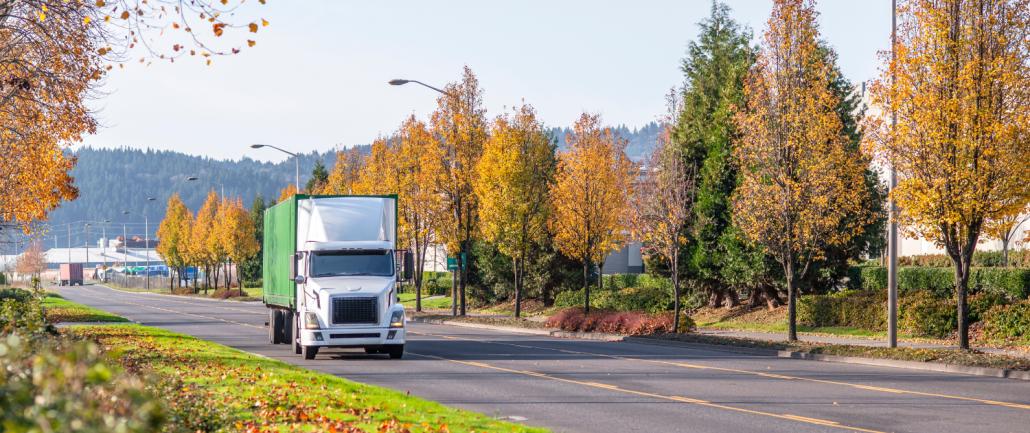 Fall can be one of the most unpredictable seasons for CDL drivers. A route may begin under clear skies and mild temperatures before passing through heavy rain, dense fog, or freezing conditions several hours later. Falling leaves, earlier sunsets, and increased wildlife activity also introduce hazards that may not have been present during the summer.
 New drivers quickly learn that knowing how to handle a commercial vehicle is only one part of the job. A typical day may also require careful planning, clear
 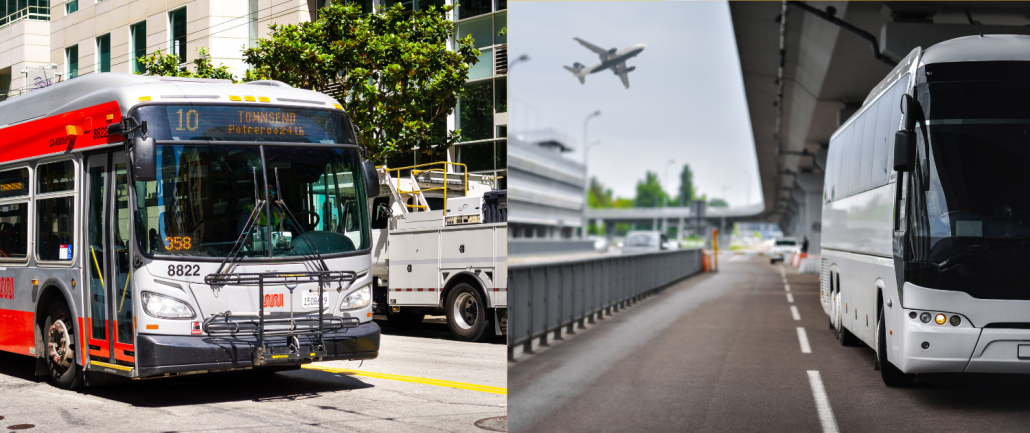 Passenger transportation offers several career paths for CDL drivers, but the day-to-day work can look very different depending on the type of vehicle and route. Transit bus drivers and motorcoach drivers both transport passengers professionally, yet their schedules, routes, customer interactions, and time away from home can vary considerably.
 Professional truck drivers spend long hours behind the wheel, often working around demanding schedules, changing road conditions, and extended periods away from home. Over time, those realities can affect everything from physical comfort and energy levels to stress, sleep, and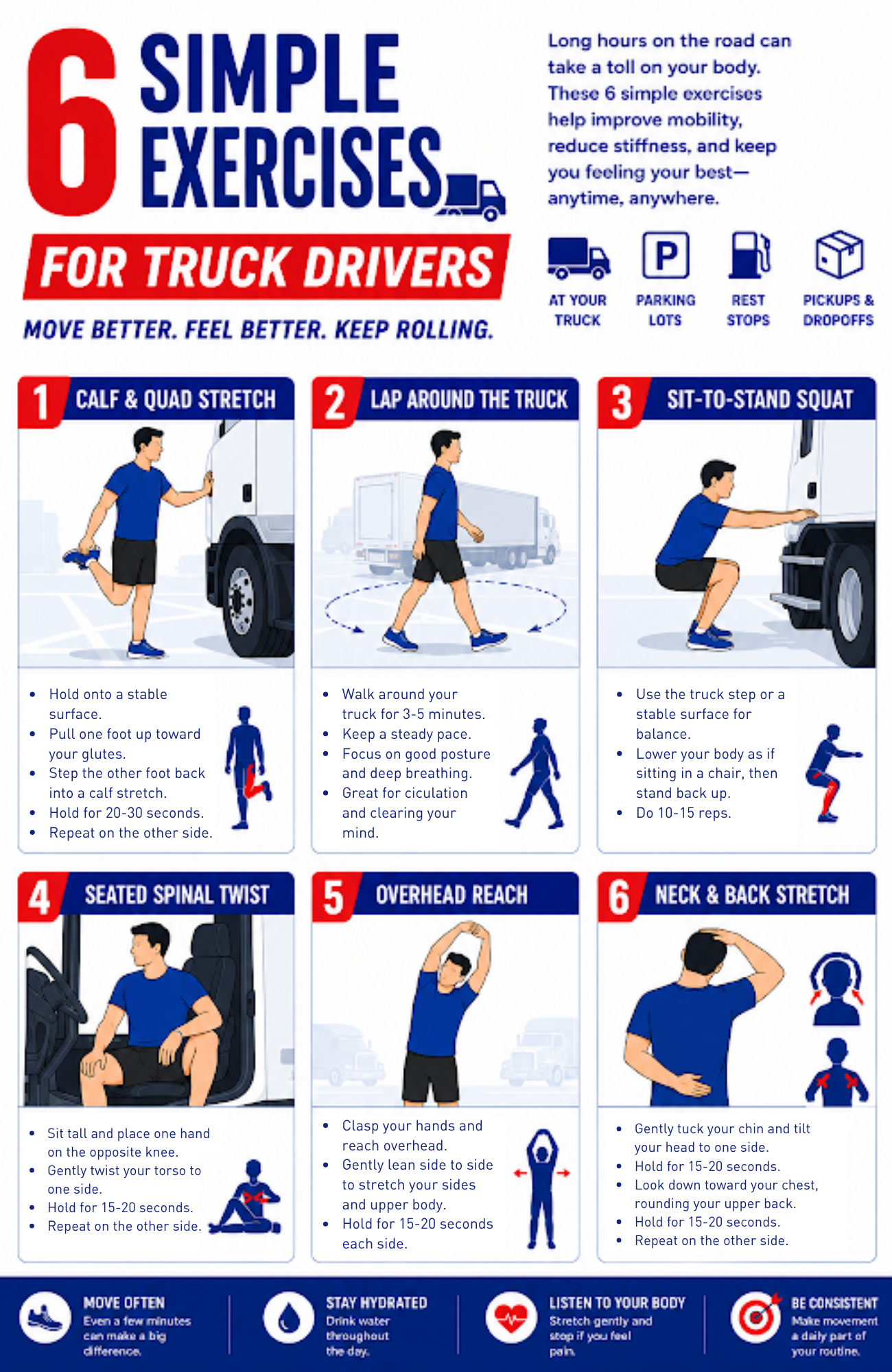
 Auto hauling requires a
 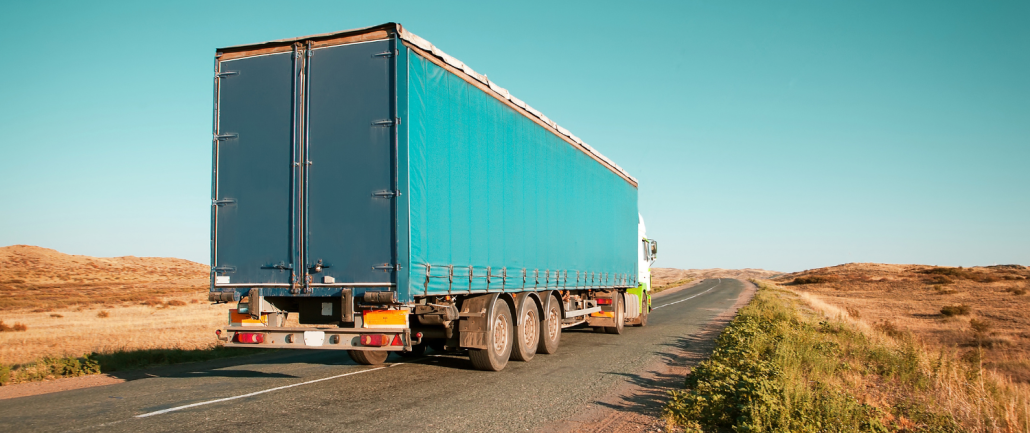 Extreme heat can make every part of a haul more demanding, from long hours behind the wheel to the added strain placed on truck equipment. High temperatures can affect everything from driver health to vehicle performance, increasing the risk of delays, breakdowns, and safety concerns.
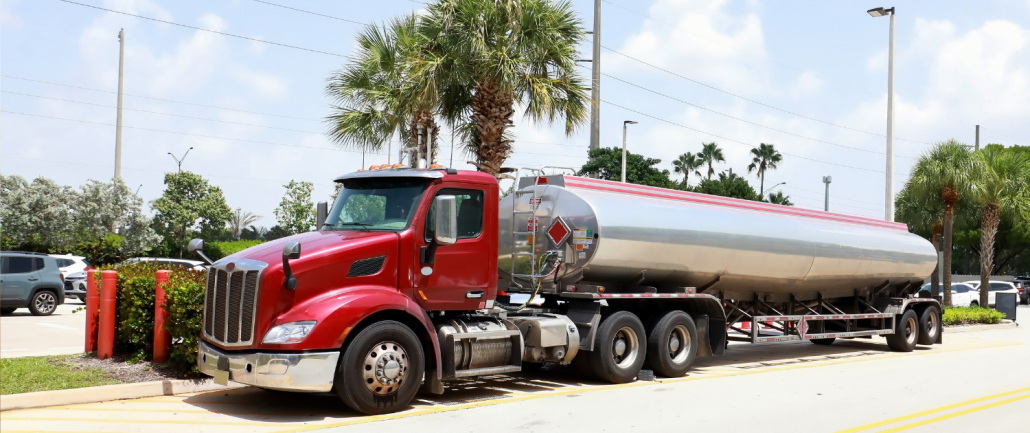 Fuel delivery drivers transport products that businesses, communities, and households depend on every day. Whether supplying diesel to construction equipment, gasoline to service stations, propane to homes, or heating oil during the winter months, these drivers help ensure that essential services and industries continue operating without interruption.