
 Finding your first truck driving job can feel challenging, especially when many job postings ask for previous experience. Fortunately, plenty of carriers hire recent CDL graduates and provide the training and support new drivers need to get started.
Many companies offer paid training, mentorship, and opportunities to build safe driving experience. The key is knowing where to look and how to present yourself throughout the hiring process.
If you’re preparing to apply for your first trucking job, these seven strategies can help you start your career with confidence.
Apply to Companies That Hire New CDL Drivers
Not every carrier expects applicants to have years of experience. Many fleets have programs specifically designed for recent CDL school graduates.
These companies might provide:
- Paid orientation
- Driver mentors or trainers
- Gradual transition to solo driving
- Ongoing safety coaching
- Tuition reimbursement in some cases
Instead of focusing only on pay, look closely at the training program. A company that invests in new drivers can help you develop good habits that benefit your entire career. Many carriers continue to hire recent CDL graduates through dedicated entry-level and trainee programs.
Build a Strong Resume
Even if you have never worked as a truck driver before, you still have valuable experience to include. When preparing your application, think about previous jobs where you demonstrated qualities such as:
- Reliability
- Strong attendance
- Customer service
- Time management
- Safe equipment operation
- Attention to detail
These skills demonstrate the professionalism and work ethic many employers value, even if you have not worked in trucking before. Be sure to also include your CDL class, endorsements, driving school, certifications, and any awards or recognition you received during training as well.
Earn Additional Endorsements
Additional endorsements can make you a more competitive applicant, particularly if you’re interested in specialized types of freight.
While they are not required for every position, some employers prefer or require endorsements such as tanker, hazmat, or doubles/triples. Earning them early may expand your job options as you begin your trucking career and pave the way for future career development.
Prepare for the Interview
The interview is your opportunity to show employers that you’re ready to learn and take the job seriously. While you may not have professional driving experience yet, you can still demonstrate that you’ve put thought into the career and understand what the role requires.
Be prepared to discuss topics such as:
- Why you decided to become a truck driver
- Your experience in CDL school
- How you approach safety and responsibility
- The type of driving you’re interested in
- Your schedule and availability
Take time to research the company beforehand so you can ask thoughtful questions about training, routes, home time, and expectations for new drivers.
Show That Safety Comes First
Safety is one of the biggest concerns when hiring inexperienced drivers. This means that throughout the hiring process, it’s important you demonstrate that you take safety seriously.
For example, try to talk about topics you learned during CDL training, such as:
- Pre-trip inspections
- Hours of Service compliance
- Defensive driving
- Cargo securement
- Vehicle maintenance reporting
Be Flexible About Your First Position
Your first trucking job is an opportunity to build experience and develop your skills behind the wheel. Many new drivers begin in positions that provide consistent miles, training, and support before moving into more specialized roles.
Common starting positions might include:
- Regional routes
- Over-the-road driving
- Dedicated accounts
- Dry van freight
As you gain experience, additional opportunities often become available. Starting in a position that helps you build a strong safety record can make it easier to pursue the type of driving job you ultimately want.
Stay Professional During the Hiring Process
Throughout the hiring process, look for opportunities to demonstrate the same qualities employers will be expecting on the job. Always aim to respond to phone calls and emails promptly, complete required paperwork accurately, and arrive on time for interviews, orientation, and drug testing.
Recruiters often begin evaluating applicants long before a job offer is made. Showing that you are dependable, organized, and easy to communicate with can help leave a strong impression.
For more trucking industry tips and tricks, be sure to stay up-to-date on our Truck Driver Blog and connect with us on social media.
 For CDL drivers looking to grow their careers, most opportunities still come through
  Understanding how drivers get paid can be one of the most confusing parts of starting or
 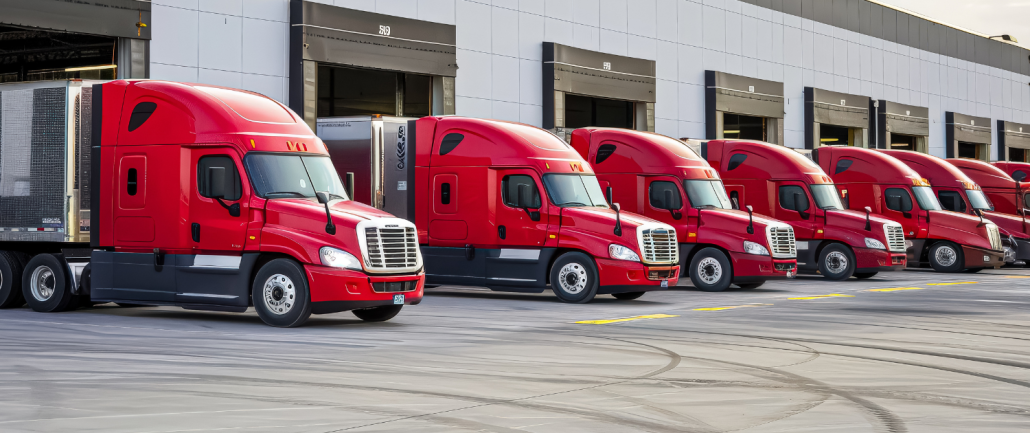 Private fleet trucking jobs are some of the most competitive roles in the industry. As a driver, you might be attracted to the predictable schedules, strong compensation, well-maintained equipment, or the chance to represent a company that ships its own products.
  As the trucking industry continues to evolve, drivers can use the beginning of the year as an opportunity to sharpen their skills and stay competitive.
  Life on the road may offer flexibility and independence, but it also brings daily expenses that can add up quickly.
 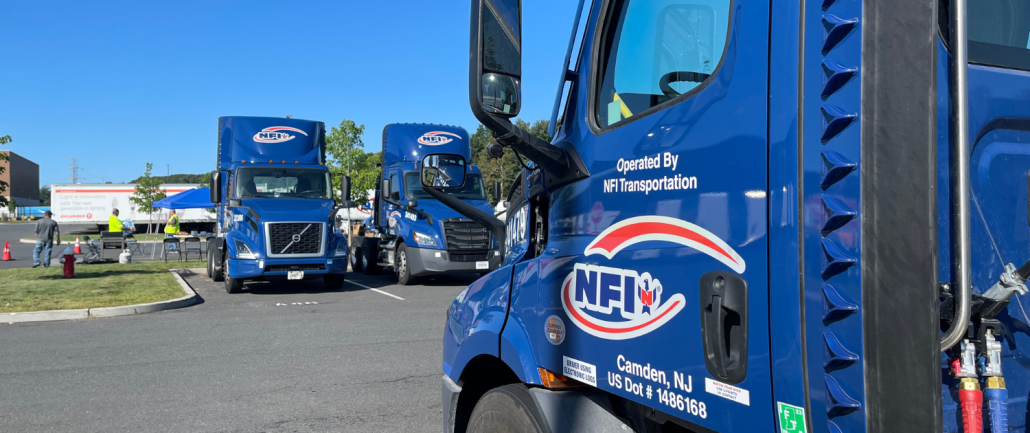 Every CDL job interview is an important step in finding a role that fits your experience, lifestyle, and long-term goals. It is also when recruiters can get a real sense of how a driver approaches safety, communication, and life on the road.
 For many truck drivers, life on the road brings a unique mix of freedom, responsibility, and long hours away from home. That lifestyle shapes everything, from
  Searching for a new trucking job can feel like a full-time job itself. Between countless listings, company websites, and recruiters, it’s easy to feel overwhelmed or unsure where to begin.