
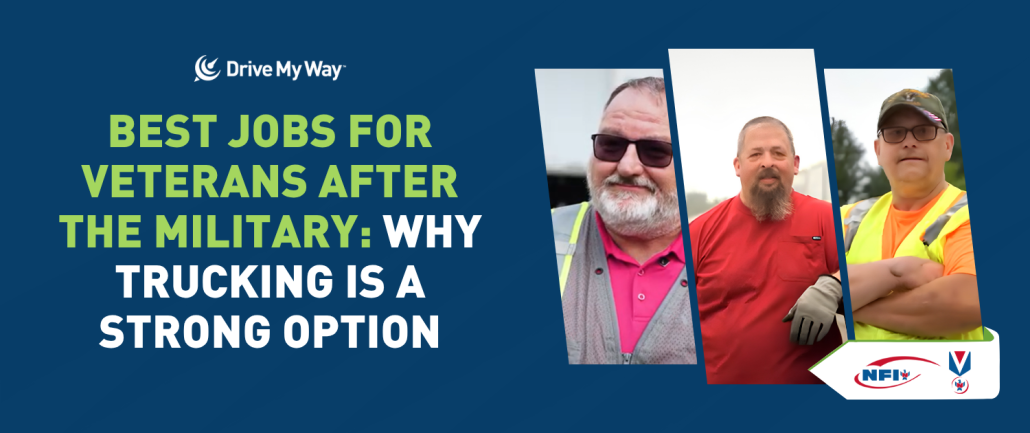
For many veterans, transitioning out of military service means looking for a career that offers stability, purpose, structure, and room to grow. It also means finding a workplace that values leadership, discipline, adaptability, and teamwork instead of requiring veterans to completely reinvent themselves in civilian life.
That is one reason trucking continues to stand out as a strong career path for former service members. The industry offers practical opportunities, clear advancement paths, and work that often aligns naturally with the skills veterans already developed during military service.
For veterans who are considering what comes next after the military, trucking can provide a career that feels both familiar and forward-looking.
Why Trucking Is a Strong Option for Veterans
Many aspects of military life translate well into transportation and logistics careers. Veterans are often experienced in operating under pressure, managing schedules, working independently, and prioritizing safety. Those qualities are highly valued in trucking roles, especially in dedicated fleets and professional driving positions.
Truck driving also offers something many veterans look for during the transition into civilian life: a clear sense of responsibility and mission. Drivers play a critical role in keeping supply chains moving, delivering essential goods, and supporting industries across the country.
The career path itself can also be appealing because it is relatively accessible compared to many industries that require years of additional education or retraining. Veterans may be able to use military experience or benefits to help pursue CDL training and begin building a civilian career more quickly.
Some veterans are drawn to the independence of the job. Others appreciate the structure, consistency, and teamwork involved in fleet operations. The industry offers opportunities in local, regional, dedicated, and long haul roles, allowing drivers to find a schedule and environment that fits their goals.
What Makes a Job Veteran Friendly?
A veteran-friendly workplace goes beyond simply hiring former service members. It should create an environment where veterans can build long-term careers, feel supported during the transition into civilian life, and continue developing professionally.
Veteran-friendly employers often focus on:
- Strong onboarding and training programs
- Clear communication and leadership support
- Career advancement opportunities
- Respect for military experience and transferable skills
- Access to benefits and wellness resources
- A workplace culture built around teamwork and accountability
Veterans transitioning into civilian careers may also benefit from employers that understand some of the unique challenges that can come with that adjustment. Moving from military structure into civilian work environments is a major life change, and support during that process matters.
That support can include mentorship programs, employee resource groups, flexible career pathways, and access to mental health and wellness resources.
How NFI Supports Veterans Transitioning Into Civilian Careers
NFI Industries has made veteran hiring and support an ongoing focus across the company. As a transportation and logistics provider with thousands of employees nationwide, NFI employs veterans in driving, operations, leadership, and logistics roles across the organization.
Part of that effort includes creating programs and support systems specifically designed to help veterans navigate the transition into civilian careers. NFI’s V.A.L.O.R. initiative, which stands for Veteran Advocacy for Leadership, Opportunities, and Resources, helps connect and support veteran employees across the company while reinforcing NFI’s focus on veteran recruitment, retention, and professional growth.
The company also offers programs designed to help service members build experience and confidence as they transition into trucking and logistics careers. NFI’s Military Apprenticeship Program combines hands-on training, mentorship, and structured career development opportunities that can help veterans adjust to civilian work environments while continuing to build long-term career stability.
Grant B., an NFI operations manager and eight-year Navy veteran, said some of that support begins before military service officially ends.
“NFI is actively recruiting veterans throughout the company. Our fellowship program takes people who are still in the military and gives them eight to twelve weeks of training to help transition them into a position after they leave the service.”
That emphasis on structure and long-term opportunity can resonate with many veterans entering civilian careers.
“Veterans like security. They’re used to structure,” Grant explained. “NFI has been around since 1932. It’s a company that’s not going anywhere, and we welcome veterans with open arms.”
NFI has also continued emphasizing peer support and internal community for veteran employees. Employee resource groups, mentorship opportunities, and connections with coworkers who have already gone through similar transitions can make a major difference for veterans adjusting to civilian life and careers.
“We have a lot of tools and a lot of people who have been through that transition who can help you with the move from military life to civilian life,” Grant said.
For veterans entering trucking specifically, support during onboarding and training can make a major difference. Companies that provide strong communication, mentorship, and structured onboarding often help drivers feel more confident as they adapt to civilian work environments and new career expectations.
Why Veterans Often Succeed in Trucking Careers
Veterans are known to bring qualities that help them succeed behind the wheel and throughout the transportation industry.
That can include:
- Time management and reliability
- Safety-focused decision making
- Comfort working independently
- Experience with equipment and operations
- Adaptability in changing situations
- Strong communication and teamwork skills
Many veterans are also familiar with long hours, changing conditions, and mission-focused work environments. While civilian trucking is different from military service, some of the day-to-day expectations can feel familiar in a positive way.
The industry also offers opportunities to continue growing professionally over time. Drivers may move into trainer roles, dispatch, operations management, safety leadership, or specialized freight positions as their careers progress.
Real Veteran Stories Matter
For many veteran drivers, one of the biggest advantages of working in trucking is the sense of familiarity and shared experience they find among coworkers and leadership.
Brady C., who served in the Air Force for 10 years, said having fellow veterans around him at NFI made a difference early on.
“It’s a good company to work for as a veteran. I work for a veteran who is our manager, and they explained things really well when I came here. It helps having people who have served because they understand where you’ve been and some of the things we’ve experienced in our careers and lives.”
Randall B., who served eight and a half years in the U.S. Army, shared a similar perspective about the culture at NFI.
“Working at NFI, there are a lot of military veterans. I feel like we understand each other. We’re on the same level, and we’ve had similar experiences.”
Stories like these highlight why veteran-friendly workplaces matter. For many former service members, finding a company culture built around communication, structure, teamwork, and mutual understanding can make the transition into civilian careers feel much more natural.
Looking Ahead After Military Service
Transitioning out of the military can come with a lot of uncertainty, especially when it comes to finding a career that offers stability, structure, and long-term opportunity. For many former service members, trucking provides a path where the skills developed during military service continue to matter in day-to-day work.
Companies like NFI that continue investing in veteran hiring, mentorship, and career development can help make that transition into civilian life feel more supported and sustainable over the long term.
For more trucking industry tips and tricks, be sure to stay up-to-date on our Truck Driver Blog and connect with us on social media.