For CDL drivers looking for steady work and predictable routes, roll off truck driving is a unique niche worth exploring. These drivers play an essential role in construction, waste management, and large cleanup operations by hauling heavy dumpsters filled with debris, scrap, or trash.
Although the job may not be the first type of trucking role people most often think of, roll off driving offers steady demand, consistent schedules, and a hands-on work environment that many drivers enjoy.
Keep reading for a closer look at what the job involves and what drivers can expect day to day.
What Is a Roll Off Truck Driver?
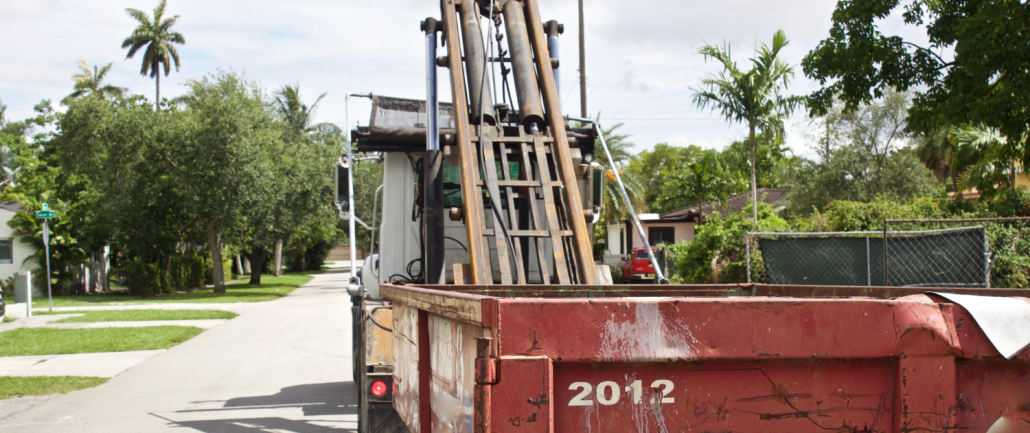
A roll off truck driver operates a specialized truck designed to transport large open top dumpsters. These containers are commonly used on construction sites, demolition projects, and large residential cleanouts.
Unlike a dump truck that carries loose materials in its own bed, a roll off truck carries removable containers that roll on and off the back of the truck using a cable hoist or hook lift system.
Drivers typically deliver empty containers to job sites, return later to pick them up once they are filled, and transport the debris to landfills, recycling facilities, or transfer stations.
Because construction and waste removal happen year round in many regions, this role tends to offer steady work compared to some other trucking segments.
A Typical Day on the Job
Most roll off drivers begin their day with equipment checks and route assignments. Like other CDL jobs, safety inspections are a key part of the routine. Drivers check brakes, lights, tires, and hydraulic systems before heading out. From there, the day usually includes several container deliveries and pickups.
A typical shift might involve:
- Delivering an empty dumpster to a construction site
- Picking up a full container from a commercial customer
- Hauling debris to a landfill or transfer station
- Logging container weights or disposal tickets
- Communicating with dispatch about scheduling and routing
Drivers also inspect containers and ensure loads are secure before transporting them. In many cases, they must tarp the container to prevent debris from falling during transit. Routes are also usually local or regional, meaning drivers are often home daily.
The Skills Roll Off Drivers Need
Roll off driving requires more than simply operating a truck. Drivers must combine safe driving skills with mechanical awareness and careful positioning.
One of the biggest challenges is maneuvering large trucks in tight areas. Job sites, alleys, and construction zones often have limited space, so drivers must carefully place containers without damaging property or blocking access.
Important skills for this niche include:
- Precise backing and positioning
- Understanding hydraulic roll off systems
- Awareness of weight limits and load balance
- Communication with dispatch and customers
- Strong attention to safety regulations
Because containers can hold heavy materials like concrete, roofing debris, or scrap metal, careful handling is also always essential.
Physical Activity and Work Environment
Compared to long haul trucking, roll off driving can be more physically active. Drivers often get in and out of the truck throughout the day to secure containers, connect cables, inspect loads, or manage tarps.
The job can also involve:
- Climbing onto equipment
- Working outdoors in various weather conditions
- Navigating busy construction sites
- Managing heavy equipment and containers
For many drivers, this level of activity is actually a benefit. Instead of spending the entire day seated behind the wheel, roll off drivers stay more engaged throughout their shifts.
Is Roll Off Driving a Good Fit?
Roll off trucking can be a rewarding career path for drivers who enjoy local routes and active workdays. The job requires skill, patience, and attention to safety, but it also offers steady work and the opportunity to play an important role in construction and waste management operations.
For CDL drivers who want to stay closer to home while still working with heavy equipment and specialized trucks, roll off driving is a unique niche that continues to offer strong opportunities across the industry.
Wondering about other ways to stay ahead of the curve in the transportation industry in 2026? Be sure to check out more posts on our blog and connect with us on social media!