
Posts

As the trucking industry continues to evolve, drivers can use the beginning of the year as an opportunity to sharpen their skills and stay competitive.  


Whether you want to qualify for higher paying jobs, strengthen safety practices, or simply feel more confident behind the wheel, there are many practical ways to grow as a professional. A few targeted steps can help you reach new goals, stand out to employers, and enjoy more control over your career. 


Keep reading for several ways to upgrade your CDL skills in 2026.  


Take Refresher Courses to Strengthen Core Knowledge
Even experienced drivers benefit from reviewing regulations, best practices, and safety procedures. Refresher courses give you a chance to rebuild confidence in areas that may feel rusty. Many community colleges and training schools offer short in-person sessions that focus on topics like hours of service rules, safe backing methods, accident prevention, and updated state requirements.  


If your schedule is tight, online modules can be completed at your own pace. These courses also help you stay aligned with industry expectations, which can be especially useful if you recently changed jobs or plan to switch fleets. 


Pursue Advanced CDL Endorsements 

Endorsements remain one of the most effective ways to expand your job options. Drivers with HazMat, Tanker, or Double and Triple Trailer endorsements often qualify for routes that offer higher pay or more steady schedules.  


Preparing for these exams requires study time, but the payoff can be significant. HazMat drivers, for example, complete a TSA background check and gain access to freight that many carriers consider essential. Tanker endorsements help you qualify for liquid transport roles, including opportunities in agriculture, fuel delivery, or food grade tank operations. Earning even one new endorsement can make your CDL more versatile and help you stand out to recruiters. 


Complete Defensive Driving Training 

Defensive driving techniques help you anticipate hazards, maintain control in poor weather, and avoid common risks on busy roads. These courses teach skills such as proper following distances, situational awareness, emergency braking, and safe decision making in high pressure moments.  


Many insurance companies also recognize defensive driving certifications, and some fleets partner with training providers to offer discounted rates. Drivers who consistently apply these techniques are better equipped to avoid preventable accidents, respond calmly to sudden hazards, and maintain steady control during long stretches on the road. 


Strengthen Your Technology Skills 

Modern trucking relies heavily on digital tools. Understanding ELDs, telematics systems, navigation software, and fleet management platforms can make your day easier and more efficient. Many fleets provide training during onboarding, but additional practice can help you use these tools to their full potential. Consider exploring online tutorials or asking dispatch for quick walkthroughs.  


Knowing how to interpret telematics data can also help you improve fuel efficiency, identify idle time issues, and stay on track with company expectations. As carriers continue adopting new platforms, comfort with technology will remain an essential career skill. 


Practice Load Securement Techniques 

Cargo that shifts or comes loose creates major safety risks, which is why load securement remains such an important skill to revisit. Even veteran drivers benefit from reviewing strap angles, working load limits, tie down placement, and proper inspection habits.  


Practicing these techniques can improve efficiency and help you feel more confident with different freight types. Flatbed drivers in particular can boost their earnings by mastering advanced securement methods that carriers value. If you ever feel unsure about a procedure, many fleets encourage drivers to ask trainers or safety managers for a demonstration before leaving the yard. 


Join Workshops and Industry Seminars 

Workshops and seminars can give you exposure to new ideas, regulations, and driving strategies. Many are offered by state trucking associations, industry groups, or training schools. These sessions often include guest speakers, hands-on demonstrations, and updates on upcoming policy changes.  


They also help you stay current with industry conversations that affect your daily work. Participating in events like these can remind employers that you are committed to improvement and serious about your long-term success as a driver. 


Learn From Experienced Drivers in Your Network 

Some of the best professional growth comes from the people around you. Talking with experienced drivers can give you insights you will not find in a manual.  


Whether it is a tip for handling mountain roads, a strategy for backing into tight docks, or advice for staying calm during long delays, peer knowledge makes a real difference. Try asking questions during downtime, lunch breaks, or fuel stops. Many drivers enjoy sharing what they have learned, and these conversations can help you solve problems faster and avoid mistakes. 


Wondering about other ways to stay ahead of the curve in the transportation industry in 2026? Be sure to check out more posts on our blog and connect with us on social media! 

cdl driving test

If you’ve recently passed the CDL driving test, you know the relief, pride, and satisfaction that comes along with it. Truck driving can be a great career, and if you’re thinking about becoming a driver, passing the CDL driving test is your first step. Here’s what you need to know to pass the CDL test with flying colors.  

What Does the CDL Test Consist of?

It’s different in every state, but all tests will consist of a written knowledge test and a driving test. In some states, the written test is taken to get your CDL permit, while in others it’s taken to get your actual CDL. The driving test goes by different names state to state, but will always consist of some combination of these; pre-trip inspection, basic skills (or backing), and road skills.  

1. Study, Study, Study

Like with any test, the best way to pass the CDL test is to study.  

Every state has some sort of guide or study material for their CDL test. There are a lot of websites that may ask you to pay for a study guide, but you can usually find a free version on the state’s D/BMV website.  

Once you’ve got your study materials, you’ll need to set a study schedule for yourself. Choose a target date to take the test and then spend a little time studying every day, preferably the same time every day so you can get used to the routine of it.  

Also, be realistic about the date you choose. You’ll want to be fresh for the test and stay motivated, so choose something relatively close. That said, make sure you give yourself enough time to properly study. For most people, 2-3 weeks is a good timeframe.  

Once you get to know the material, start taking practice tests. Many states offer free practice tests on their website. There are also third-party sites like Trucker Country that allow practice tests. Drivers can take a generalized test for a CDL license or practice tests that are for a specific endorsement. These practice tests are a great way to test your knowledge and find any areas that need more studying.  

But, just be aware that the CDL test is a little different based on what state you are in. Make sure you get a copy of the study guide from the state where you’ll be taking the licensing test.

2. Demonstrate Technical Expertise

With the written portion of the CDL test done, it’s time to show off your driving skills. First and foremost, make sure you know the truck. The last thing you want is to try and make a simple air vent adjustment and be fumbling with the buttons. With the evaluator watching, even routine adjustments can feel like they have a lot of pressure. Know the inside of the cab like the back of your hand.  

Aside from knowing the inside of your cab, there are a few skills that you absolutely have to get right to pass the CDL driving test. Some of them are obvious — don’t stall and no shifting at intersections. Others are skills that you may need to be more conscious about.  

For example, it’s very important to use proper exit and entry techniques when you are getting in and out of the truck. Similarly, train yourself to notice weight limit signs as you’re driving.  

An examiner may ask you about a posted weight limit sign shortly after you’ve passed it. You need to know what it said. Any time you are driving, even in a personal vehicle, try to notice details on the road like weight limit signs.  

We spoke with new CDL driver Brittany, and she shared this advice:  

New CDL Driver, Brittany

New CDL Driver, Brittany

“If you’re going to school, be out there every day doing pre-trip inspections and maneuvers and stay focused while doing it. Ask all the questions you can think of because that’s what instructors are for. No question is a dumb question and don’t be nervous on test day. All the practice will show as long as you’ve put in the work.”

3. Make the Basics Obvious

trucking carrierWhen you take the CDL driving test, it’s easy to focus on the things that will be challenging, but don’t forget the basics. These are the things that are probably almost second nature to you, and you do them any time you drive.  

Keep two hands on the wheel. Check your mirrors and scan regularly. Signal all lane changes. Keep an eye out for speed limit signs and make sure you’re driving a few miles per hour under the speed limit. All of these are common sense basics, but make a point to make these obvious when you take your licensing test. 

4. Beyond Passing

DOT inspectionMake sure you know the automatic failure points so you can avoid them, but set your sights higher. Don’t focus on just barely passing. When you are in the cab with the evaluator, remember to stick to your purpose. You’re not in the cab to make friends, so don’t get too chatty. Some evaluators may consider this distracted driving.  

Above all, stay calm even if you make mistakes. You will likely encounter at least one small unexpected surprise while doing the CDL driving test. Take in the new information and keep moving forward. If you made a mistake, fix it for the next time.  

A calm personality and the ability to respond well to unexpected changes are key for drivers. Demonstrating that skill in a road test will impress your evaluator and give them confidence in your ability to be on the road professionally. 

two men in a truck

Looking for a new CDL Job?

Drive My Way matches you with a job based on your preferences like pay, home time, touch level, and more.

Create a Free Profile


loading dock etiquette

Loading dock etiquette might not be the first thing that comes to mind when you think of the skills that truck drivers need. Depending on your haul range and load type, you may spend more or less time at loading docks. But, whether you love them or hate them, loading docks are a part of trucker life. Here are 5 tips on loading dock etiquette that will help get you in and out as smoothly as possible. 

1. Communicate Well

Good communication is part of the foundation for every relationship. On the job, that includes the time you spend at the loading dock. While most drivers know more or less what to expect at the loading dock, always lean on the side of more communication. Don’t assume everyone is on the same page. So, what happens when you run into some dock workers who are taking their sweet time to load or unload your truck? 

Unfortunately, there’s a natural tension between hourly dockworkers and drivers who are required to complete a certain number of loads.

If loading or unloading starts to get really slow, make a note to share that with your boss. Let them handle the conversation with the shipper.

Different docks have different policies, so it’s important to have communication in both directions. As a driver, let them know what you need and if you run into delays. On the other hand, be open to what the dock workers are saying if they have specific instructions. Even if it sounds unnecessary or weird to you, dock workers might have specific regulations to follow. 

2. Be Prepared

If you’re going to a place that you’ve been before, you may know the route and any tips or tricks that will help you navigate the loading dock. If you’re going to a new location, try to find out some information before you go. Talk to other drivers at your companythey might have valuable information to share. They might warn you about potential issues or give a good review of their experience. On the same note, share your expertise with other drivers if they ask!

For familiar and unfamiliar locations, make sure you have your paperwork ready before you arrive. Just like it’s a pain to wait on a disorganized shipper, you can make everyone’s lives a little smoother by having everything together before you arrive.

3. Stay Sharp

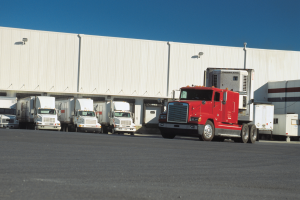
trucking backing into loading dock

Loading docks have a lot going on, especially compared to the time solo on the road. There are often a lot of people and vehicles of all sizes moving around. Unsurprisingly, that can make a loading dock a hotspot for workplace accidents. Distracted workers are more likely to have or cause accidents, so drivers have to stay sharp to avoid the chaos around them.

Also, pay close attention to the loading dock rules. Since they may be different between shippers, don’t assume you already know what they want. You might not love the rules at some locations, but at the end of the day, griping about them won’t change anything. It just slows things down and it won’t make your day any brighter.

4. Set Yourself Up for Success

If you are preparing to load or unload and find yourself in a tight position, don’t hesitate to speak up. Backing up is a critical skill for drivers, and you can’t do your job if there are obstacles in the way. If there isn’t enough room or if there are vehicles or debris in your path, ask for someone to move it. Dock workers might not be thrilled about the request, but it’s a lot less hassle than dealing with damaged property. 

When you set up to back into a loading dock, do what you need to do to back in safely and accurately. Smart-Trucking.com shares its three most important rules of backing:

  1. Get out and look multiple times
  2. Ask for parked cars or obstacles to be moved
  3. Refuse to back into an impossible situation

Over the years, you will spend time at countless loading docks. Do what you can to make your time there as short and painless as possible by setting yourself up for backing success.

5. Stay Calm & Patient

Delays happen. On your route, at the loading dock. They’re unavoidable. But when they happen, try not to get overly frustrated and avoid driver burnout.

truck driver at loading dock

When everything is taking too long or being poorly handled, calm and patient is probably the last thing you want to be. But it is important. In general, assume the best in people first. But, if there is a bigger problem or they are deliberately moving slowly, take action by reporting the incident. 

Remember, even with bad shippers, your goal is to get in and out as quickly as possible. So, try not to escalate confrontations. Avoid direct conflict, but make sure to let your company know about your experience. Save yourself and other drivers a bad experience down the road by saying something! But, let your boss deal with the communication.

find-cdl-truck-driver-jobs

Find a CDL Driving Job

We match you with a job based on your personal preferences and qualifications.

Find a Job Today

investopedia.comFew of us enter the workforce expecting to work forever – but it turns out some professions are more conducive to the long term than others. The Center for Retirement Research at Boston College released a study on the topic this spring. Overall, the study found that some skills last until retirement age, and some don’t.

Investopedia.com wrote about the center’s findings, saying skills for some careers fade as we age.

The Center for Retirement Research studied white collar and blue collar jobs alike, and the human skill set diminished in both sectors. However, when it comes to careers with the best longevity, writing and math fared well, truck driving did not.

The researchers developed a “Susceptibility Index.” This “measures how likely the physical and cognitive abilities required by an occupation are to decline during the working years. On the high end of the list included airline pilots, jewelers, maids, and housekeepers. In addition, truck drivers, oral surgeons, kindergarten teachers, photographers, and licensed practical nurses made the list.

Some of these careers cut short due to physical limitations.

Those may include the loss of fine motor skills rather than an overall decease in mobility; jewelers and oral surgeons need steady hands and precise movements. Still others – such as truck drivers and airline pilots – may need a combination of long attention spans and the ability to sit still for many hours at a stretch.

Alternately, the study found, “crystallized” cognitive skills such as vocabulary tend to last well into a person’s 60s and 70s, meaning that oral and written comprehension and math skills can last throughout a career.

Find the best CDL trucking job for you. Register today. It’s free!

find-cdl-truck-driver-jobs

Want to find a job you love?

Drive My Way matches drivers with jobs based on their qualifications and lifestyle preferences.

Find Better Today