
Every CDL job interview is an important step in finding a role that fits your experience, lifestyle, and long-term goals. It is also when recruiters can get a real sense of how a driver approaches safety, communication, and life on the road. 

Standing out during the interview process does not require a perfect driving record or decades of experience. It comes down to preparation, communication, and knowing how to advocate for yourself. Equally important is asking the right questions before accepting a position, to ensure that there are no surprises after orientation and onboarding. 

Keep reading for some practical tips to help drivers make a strong impression during a trucking job interview, along with key questions every driver should ask a recruiter before committing to a role. 

How to Stand Out in a Trucking Job Interview
Here are four key tips to consider when preparing for your next job interview. 

1. Know Your Own Experience and Driving History
Before the interview, take time to review your driving history, recent employers, and equipment experience. Recruiters often ask about: 

  • Different types of freight you have hauled 
  • Equipment and trailers you are comfortable with 
  • Regions or lanes you have run 
  • Safety incidents or violations, if any 

Being able to clearly explain your background builds trust and shows professionalism. If there are gaps in employment or a past incident on your record, it’s important to be honest and prepared to explain what you learned from the experience. 

“Stand out during an interview by being transparent on your application,” said Jessica R., an NFI recruiter. “What I mean by transparent is by providing us with any tickets, accidents, or gaps of employment that you previously may have. We love and appreciate drivers who are up front on their application.” 

2. Treat the Interview Like a Professional Conversation
Whether the interview happens over the phone, by video, or in person, professionalism still matters. The way you prepare, communicate, and show respect for the recruiter’s time can signal how you approach safety, responsibility, and day-to-day work on the road. Consider the following tips when scheduling and planning for your interview: 

  • Be on time or available when scheduled 
  • Find a quiet space where you can focus if your interview is virtual or by phone 
  • Have a pen and paper ready to take notes 

Jessica added, “An easy way to stand out in a trucking interview is to make sure you bring all of your documents. That shows me that you are coming in prepared, and that you’re coming in with the mindset of getting the job.” 

3. Highlight Safety and Reliability 
Carriers want drivers they can count on to operate safely, follow procedures, and communicate when challenges arise. Your interview is the perfect opportunity to share how you approach safety and compliance, how you handle tight schedules or unexpected delays, and how you stay in close communication with dispatch and operations teams.  

Recruiters also pay close attention to a driver’s equipment experience and familiarity with different trucks and trailers, especially when fleets operate a mix of makes and models. Jessica shared why this is a key part of their interview process, saying:  

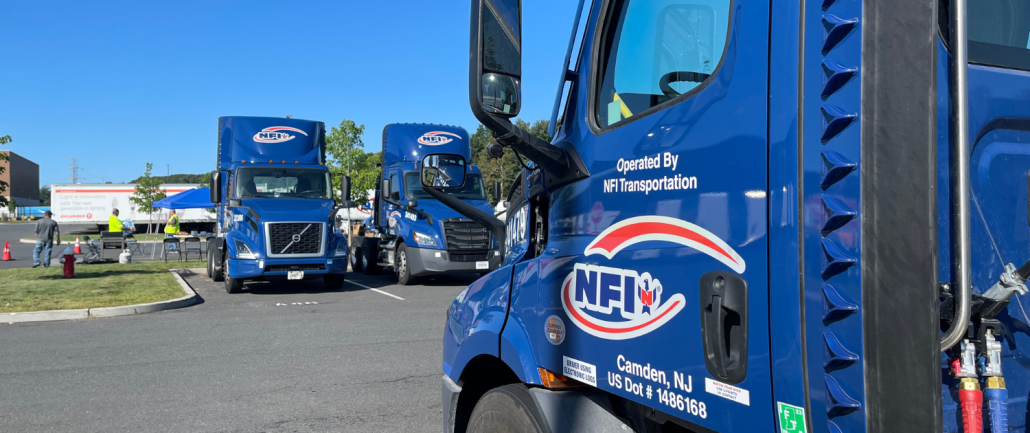
“Another thing that I look for during an interview process with a driver is the type of equipment that they previously used at their jobs. Some of our trucks that we use are Freightliners, Volvos, and Macks, and I like to bring that up to a driver’s attention because sometimes they have not previously driven those models before.”

Even if you are newer to the industry, you can still stand out by talking about the habits you have already built, such as thorough pre-trip inspections, consistent adherence to hours-of-service rules, and proactive communication when questions or issues come up.

4. Show Genuine Interest in the Role and the Company
Compensation matters, and reputable carriers understand that fair, transparent pay is a key part of retaining professional drivers. During the interview, however, recruiters are also listening for signs that a driver understands what the job actually involves and how they might fit within the operation. 
Drivers who take time to learn about the company often stand out as more prepared and more likely to succeed in the long term.

Showing interest can be as simple as asking informed questions about the type of freight hauled, home-time expectations, or how routes are assigned. Referencing the company’s operating model, safety standards, or support systems also demonstrates that you have done some research and are thinking beyond your first week on the job. 

Questions Every Driver Should Ask a Recruiter Before Accepting a Job
When speaking with drivers who have recently gone through the hiring process, home time and pay consistently rise to the top of their priorities. Fresher S., an NFI driver who has been with the company for seven months, shared his approach when evaluating opportunities. 

“I was asking recruiters specifically about my home time and my pay. Those are the two most important questions,” Fresher said. 

A strong interview works both ways. Asking the right questions helps you gain a clearer picture of the role, the expectations, and whether the position aligns with your priorities as a driver. 

What does a typical work week look like?
Always be sure to ask about scheduling, dispatch hours, and workload expectations. Understanding the role in practical terms helps prevent surprises down the road. Important details to consider include: 

  • Average miles per week 
  • Start times and load consistency 
  • Weekend or holiday requirements 

How is pay structured?
You should never be afraid to ask for clarity around compensation, as you should leave every interview knowing whether pay is based on miles, hourly rates, salary, or a combination. It can also help to ask about bonuses or incentives, detention, layover, and breakdown pay, or other accessorial pay.  

What kind of equipment will I be driving?
Equipment quality affects every part of a trucker’s job, including comfort, safety, and efficiency. Be sure to ask about: 

  • Truck age and maintenance schedules 
  • Automatic versus manual transmissions 
  • Safety technology and in-cab features 

How does the company support drivers on the road?
Support systems matter when challenges arise, and a good employer should understand how important reliable communication and problem-solving resources are for drivers on the road. 

It’s helpful to ask about the tools and teams available to help you when issues come up, how quickly drivers typically receive support, and what systems are in place to keep operations running smoothly. Also, you can consider asking about: 

  • What’s communication with dispatch like? 
  • Availability of maintenance support 
  • Training or ongoing professional development opportunities 


If you’re ready to take the next step in your driving career, Drive My Way makes it easy to explore CDL jobs with trustworthy companies like NFI Industries. You can compare roles side-by-side and find the best fit for your experience, home-time needs, and long-term goals. Start exploring CDL opportunities with companies like NFI today at https://jobs.drivemyway.com/

For many truck drivers, life on the road brings a unique mix of freedom, responsibility, and long hours away from home. That lifestyle shapes everything, from health and wellness routines to time with loved ones. It can also have a major impact on how drivers handle their finances.  


Good money management is one of the most valuable long-term tools a driver can develop, because it helps reduce stress, prepares you for the unexpected, and allows you to build toward retirement with confidence. 


Whether you are a company driver, lease operator, or owner operator, smart planning can help you stay ahead of expenses and build savings even when your schedule is busy. Keep reading to discover 6 practical ways drivers can budget, save, and prepare for the future while spending most of their days on the move. 


Start with a Simple, Road-Friendly Budget 

A budget only works if it fits your lifestyle. For CDL drivers, that means choosing a method that is easy to maintain on the go. 


Consider some of these helpful approaches when building your budget: 


  • Use an app that syncs automatically. Tools like MintYNAB, or Goodbudget categorize spending and track income for you, which cuts down on the manual work when you are traveling. 
  • Think in terms of weekly spending rather than monthly. If you get paid weekly, it can help to structure spending around the same rhythm. Weekly-based goals are also often easier to visualize and accomplish. 
  • Set a daily food and convenience allowance. Overspending at truck stops is one of the most common money drains for drivers. A small daily budget for meals, coffee, and snacks keeps things predictable. 
  • Separate fixed expenses from road expenses. Rent, utilities, insurance, and truck payments will not change much month to month. Fuel, food, and repairs can vary more, so consider tracking them separately. 


Even a basic system can help you see where your money is going and where small adjustments can create room for savings. 


Reduce Common On-the-Road Expenses 

As mentioned, truck stop convenience items can add up quickly, especially when you are covering long distances everyday. Cutting down these purchases does not require giving up comfort, though. Small strategies can make a big difference. 


  • Pack groceries and cook on the go when possible. A cooler, slow cooker, or portable lunchbox stove can save a driver a significant amount each week. 
  • Buy bulk snacks instead of single-serve items. Nuts, fruit, granola bars, jerky, and oatmeal are far cheaper when bought ahead of time. 
  • Use reward programs. Most major truck stop chains offer points for fuel purchases, showers, and food. Over time, these rewards can pay for meals or supplies. 
  • Plan fuel stops before leaving home. Apps like Trucker Path and GasBuddy help drivers find the best prices instead of settling for the nearest stop on a long route. 


These small habits free up money that can go toward emergency savings or retirement. 


Build an Emergency Fund That Fits Your Trucking Life 

Unexpected expenses happen, and trucking includes more variables than most career fields. A blown tire, a delayed load, or a week of bad weather may reduce income for a short time. Drivers who have a financial cushion are far better protected. 


A good rule of thumb is to save enough to cover at least one month of basic expenses, then keep working toward a higher goal, such as three months. This may feel like a big goal, but building it slowly is perfectly normal. Setting up automatic transfers from each paycheck into a separate savings account is the easiest way to stay consistent and build up your savings over time. 


Plan for Taxes If You Are an Owner-Operator 

Drivers who run their own business need additional structure to keep tax season smooth. The key is to track income and expenses throughout the year. 


Some good habits for owner-operators can include: 


  • Always keeping digital copies of fuel receipts, maintenance invoices, tolls, and meal deductions. 
  • Setting aside a percentage of each paycheck for quarterly payments. 


Think Long-Term with Retirement Savings 

Even if retirement feels far away, it is important to start planning early. The trucking lifestyle makes it especially helpful to choose retirement tools that work even if your schedule changes or you switch companies. 


These are a few common options for drivers: 


  • Employer-sponsored plans. Many carriers offer 401(k) plans with matching contributions. If your employer matches even a small percentage, taking advantage of it is essentially earning free money. 
  • Traditional or Roth IRA. These are great choices for drivers who prefer to manage their own retirement or who do not have access to a company plan. 
  • SEP IRA for owner operators. This option allows self-employed drivers to contribute a higher percentage of income. 


The most important habit is consistency. Even small monthly contributions grow significantly over time thanks to compound interest. 


Use Technology to Stay Organized 

Digital tools can help you stay ahead of finances and reduce stress by keeping information in one place so it can be accessed any time, anywhere. Consider these options: 


  • Electronic logs of maintenance expenses. 
  • Cloud storage for tax records and warranty information. 
  • A password manager for financial accounts. 


Wondering about other ways to stay ahead of the curve in the transportation industry in 2025? Be sure to check out more posts on our blog and connect with us on social media! 
Searching for a new trucking job can feel like a full-time job itself. Between countless listings, company websites, and recruiters, it’s easy to feel overwhelmed or unsure where to begin. 


 

However, finding the right driving position doesn’t have to be complicated. With a clear strategy and the right resources, you can identify opportunities that match your experience, preferences, and long-term career goals. 


This guide highlights some of the most trusted tools, websites, and recruiting networks to help you take control of your job search and make every application count. 


1. Start with Specialized Job Boards 

General job sites may post CDL openings, but they often lack the filtering tools and insights that truck drivers need. Instead, start your search on job boards designed specifically for professional drivers. These platforms understand the unique requirements of the industry, such as equipment type, route preference, and home time. 


Drive My Way is a proven tool for drivers who want a more personalized approach to finding CDL jobs that fit their lifestyle and goals. Rather than just posting open positions, Drive My Way matches you with jobs based on your qualifications, experience, and lifestyle preferences, whether that means more home time, certain freight types, or specific benefits. You can register here to create your free profile and start receiving job matches that fit your needs. 


Other CDL-specific job boards to check out include: 


  • CDLjobs.com: Offers listings from carriers across the country with filters for job type, route, and experience level. 
  • EveryTruckJob.com: Aggregates openings from major carriers and lets you apply directly through their platform. 


When using these boards, be sure to set up alerts to receive notifications for new listings that fit your profile. This saves time and ensures you don’t miss opportunities that align with your career goals. 


2. Explore Company Career Pages 

If you already know which carriers interest you, visiting their official career pages can give you direct access to the most accurate and up-to-date job listings. Many large fleets post openings exclusively on their own websites before listing them elsewhere. 


Browsing these pages allows you to learn more about a company’s pay structure, home time, safety programs, and benefits. You can also find insight into their training programs, sign-on bonuses, and driver recognition initiatives. 


When reviewing company career pages, it helps to consider: 


  • Location and terminal proximity: How close are you to their main hubs or routes? 
  • Freight type: Does the company specialize in dry van, flatbed, tanker, or reefer freight? 
  • Career advancement: Does the carrier offer opportunities to move into trainer, dispatcher, or operations roles later on? 


Creating a list of your top companies helps you stay organized and focused, especially if you’re comparing pay packages and benefits. 


3. Connect with Recruiting Firms and Staffing Agencies 

Recruiters can be an extremely valuable resource in your job search, especially if you’re open to different opportunities or have specialized experience. Reputable recruiting firms partner with multiple carriers to help drivers find roles that fit their skills and schedule preferences. 


Some recruiting agencies focus on specific sectors, such as oil and gas hauling, food distribution, or LTL freight. Others help connect drivers with local or regional work, ideal for those seeking more consistent home time. 


Before working with a recruiter, confirm that: 


  • They represent carriers with solid safety and compliance records. 
  • They never charge fees to drivers (legitimate recruiters are paid by carriers). 
  • They communicate clearly about pay, benefits, and expectations before you apply. 


A trustworthy recruiter can help you save time, avoid mismatched jobs, and even negotiate better terms once an offer is made. 


4. Use Social Media and Online Communities 

Social media can be a surprisingly effective job search tool when used strategically. Many carriers post job openings, hiring events, and referral bonuses on platforms like Facebook, LinkedIn, and X (formerly Twitter). 


Joining Facebook groups or online forums for CDL drivers can also provide valuable leads and peer advice. Drivers often share honest feedback about company culture, pay transparency, and equipment quality, which are all details you might not find in an official job description. 


While these spaces can be useful, verify information before applying or sharing personal details. Stick to company-verified pages and legitimate job postings. 


5. Tap into Networking and Word-of-Mouth 

Sometimes the best opportunities come from conversations, not job boards. Networking with other drivers, dispatchers, or instructors from CDL school can lead to recommendations or insider information about upcoming openings. 


Many fleets also have referral programs that reward current drivers for bringing in qualified candidates. If you’re looking to transition to a new company, asking around within your network may connect you to carriers actively hiring. 


6. Keep Your Application Materials Ready 

Once you’ve identified where to search, make sure you’re ready to apply quickly. Keep an updated version of your CDL, endorsements, work history, and medical certificate in digital form. Many job applications allow you to upload or enter this information online. 


It’s also helpful to have: 


  • References from past employers or dispatchers. 


Being prepared helps you respond quickly to promising leads before positions fill. 


Wondering about other ways to stay ahead of the curve in the transportation industry in 2025? Be sure to check out more posts on our blog and connect with us on social media!