
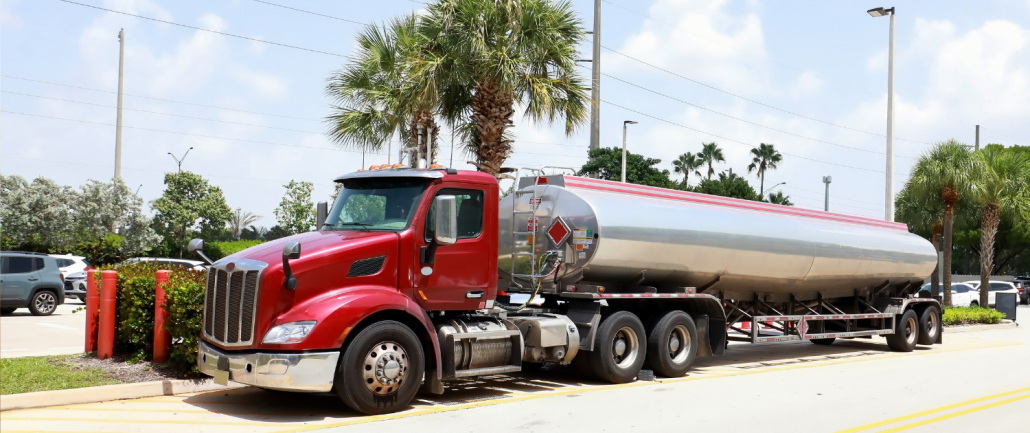
 Fuel delivery drivers transport products that businesses, communities, and households depend on every day. Whether supplying diesel to construction equipment, gasoline to service stations, propane to homes, or heating oil during the winter months, these drivers help ensure that essential services and industries continue operating without interruption.
Because fuel is classified as hazardous material, the job involves much more than moving freight between locations. Drivers follow detailed safety procedures, operate specialized equipment, complete accurate documentation, and work directly with customers throughout each delivery. Many positions are local, allowing drivers to build familiarity with regular routes and customers while returning home at the end of the day.
If you’re considering a career in fuel delivery, understanding what the work involves can help you decide whether it’s the right fit.
Beginning the Day with Vehicle and Equipment Inspections
Every shift will start with a thorough inspection of the truck and its delivery equipment. Drivers complete the standard pre-trip inspection required of commercial vehicles while also checking the specialized components used to transport and transfer fuel.
Hoses, valves, pumps, meters, tank connections, emergency shutoff systems, and other equipment must all be in proper working order before the truck leaves the terminal. Since fuel is classified as a hazardous material, identifying a problem before beginning the route is an important part of preventing equipment failures, spills, or delivery delays later in the day.
Drivers also review their route, confirm delivery locations, verify product types and quantities, and make sure all required paperwork or electronic delivery information is accurate before heading out.
Delivering Different Types of Fuel
Fuel delivery includes several different specialties, and the products drivers transport often depend on the company they work for.
Common deliveries could include:
- Gasoline for retail fuel stations
- Diesel for commercial fleets and construction equipment
- Propane for residential, agricultural, and commercial customers
- Heating oil for homes and businesses
- Bulk fuel for industrial facilities and generators
Each type of fuel has its own handling procedures, and drivers must ensure every delivery reaches the correct storage tank. Accuracy is critical, as delivering the wrong product can damage equipment, contaminate fuel supplies, and create expensive problems for both the customer and the carrier.
Safely Transferring Fuel at Each Stop
The delivery itself requires considerably more involvement than unloading most types of freight. After arriving at the customer’s location, drivers must position the truck carefully, secure the delivery area, connect transfer hoses, verify the receiving tank, and monitor the transfer from beginning to end.
Depending on the type of delivery, the process may involve underground storage tanks at a retail fuel station, above-ground tanks at a construction site, or residential propane tanks. Throughout the transfer, drivers monitor pressure, flow rates, and equipment performance while remaining prepared to stop the delivery immediately if any issue develops.
Once the transfer is complete, equipment must be disconnected properly, the site checked for any signs of leaks or spills, and delivery records completed before moving to the next stop.
Working Directly with Customers
Fuel delivery drivers often develop ongoing relationships with the customers they serve. Many routes include the same businesses, farms, fuel stations, or residential customers on a regular basis, allowing drivers to become familiar with each location and its delivery procedures.
Drivers may answer questions about deliveries, obtain signatures, explain scheduling information, or notify customers if they notice concerns with storage tanks or other equipment. Professional communication helps deliveries run smoothly while reinforcing trust between customers and the fuel supplier.
Completing Delivery Documentation
Accurate recordkeeping is an important part of every delivery. Drivers document the amount of fuel delivered, delivery times, customer information, inspection records, and any issues encountered during the route.
Many companies now use electronic tablets or mobile applications to record deliveries, reducing paperwork while allowing customers to receive digital confirmations and helping carriers maintain accurate inventory records.
Skills That Help Fuel Delivery Drivers Succeed
Successful fuel delivery drivers should be able to combine safe driving with strong attention to detail, effective communication, and the ability to follow established procedures throughout the workday.
Important qualities also include:
- Strong attention to detail
- Commitment to safe operating procedures
- Time management and route planning
- Customer service and communication skills
- Mechanical awareness when operating delivery equipment
- The ability to work independently while following established procedures
The work can also be physically active. Drivers regularly handle delivery hoses, climb in and out of the truck throughout the day, and perform deliveries in a variety of weather conditions.
CDL Requirements for Fuel Delivery Jobs
Most fuel delivery positions require drivers to hold a Commercial Driver’s License along with both a Hazardous Materials (HazMat) endorsement and a Tanker endorsement. Many employers also provide company-specific training on delivery procedures, equipment operation, and safety standards before drivers begin working independently.
Because fuel transportation involves hazardous materials, ongoing training and compliance with federal safety regulations remain an important part of the job throughout a driver’s career.
Why Many Drivers Choose Fuel Delivery Careers
Fuel delivery appeals to many CDL drivers because it offers stable work with responsibilities that extend beyond simply transporting freight. Many positions are local, allowing drivers to spend more time at home while working consistent routes and becoming familiar with regular customers.
The specialized endorsements required for fuel hauling can also create opportunities for competitive pay and steady demand. Fuel is needed throughout the year by businesses, municipalities, farms, construction companies, and homeowners, making experienced fuel delivery drivers valuable across a wide range of industries.
For more trucking industry tips and tricks, be sure to stay up-to-date on our Truck Driver Blog and connect with us on social media.