
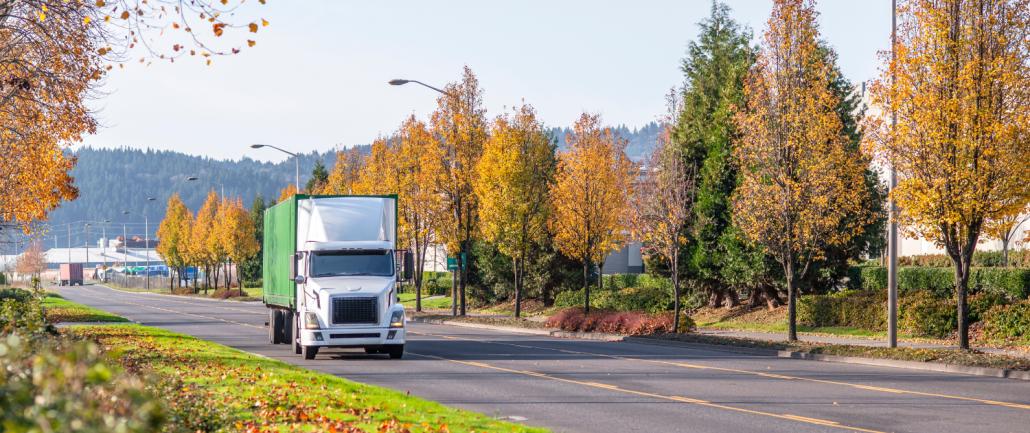
 Fall can be one of the most unpredictable seasons for CDL drivers. A route may begin under clear skies and mild temperatures before passing through heavy rain, dense fog, or freezing conditions several hours later. Falling leaves, earlier sunsets, and increased wildlife activity also introduce hazards that may not have been present during the summer.
Preparing early gives drivers time to inspect their equipment, restock emergency supplies, and adjust daily habits before the first cold-weather problems appear. Even when winter still feels far away, fall is the right time to get ready for changing conditions.
Keep reading to learn what CDL drivers should check, carry, and plan for as fall weather begins.
Why Fall Driving Requires a Different Mindset
Fall weather can change quickly, especially for drivers covering several states or significant changes in elevation. Temperatures may be comfortable at the start of a shift but approach freezing overnight or as you head farther north. Conditions can also vary greatly between open highways, shaded rural roads, mountain passes, and urban areas.
Drivers should begin checking forecasts for their entire route instead of relying only on conditions at their starting point. Paying attention to overnight lows, wind, rainfall, and elevation can help identify where roads may become slick or visibility may decrease.
Watch for Changing Road Conditions
Wet leaves can reduce traction and hide potholes, standing water, pavement markings, and other road hazards. Leaves are especially dangerous when they collect near curves, ramps, shoulders, and intersections.
Drivers should reduce speed before entering leaf-covered areas and avoid sudden braking or sharp steering. Increasing following distance provides additional room to react if traffic slows or the truck begins to lose traction. Roads can also become slippery after a long dry period because fresh rain brings oil and other residue to the surface.
Prepare Your Truck for Cooler Weather
A thorough pre-trip inspection becomes increasingly important as temperatures begin to fall. Cooler weather can expose weak batteries, affect tire pressure, and place additional stress on belts, hoses, and other components.
Pay close attention to tire condition and inflation, since pressure can drop along with the outside temperature. Check windshield wipers for cracking or streaking, confirm that defrosters and heaters work properly, and refill washer fluid with a product rated for colder conditions. Drivers should also inspect exterior lights and clean the lenses so the truck remains visible during rain, fog, and longer periods of darkness.
Adjust to Shorter Days and Reduced Visibility
Daylight hours decrease quickly during the fall, which means drivers may spend a larger portion of their shifts traveling in darkness. Morning and evening glare can also make it difficult to see vehicles, pedestrians, lane markings, and road signs.
Be sure to keep the windshield, mirrors, headlights, and reflective surfaces clean. Dirt and streaks can scatter light and make glare worse. Fatigue can become another concern as schedules shift and darkness arrives earlier. Drivers should protect their rest periods and always take a safe break if they begin struggling to stay alert.
Be Ready for Deer and Other Wildlife
Wildlife activity increases in many areas during the fall. Deer are especially active around dawn and dusk, but they can enter the roadway at any time. Wooded roads, rural highways, and areas marked with animal crossing signs deserve extra attention.
Scan both sides of the road and watch for movement or the reflection of eyes near the shoulder. If one deer crosses, slow down and look for others, since they frequently travel in groups. Avoid swerving sharply to miss an animal because that movement can cause a rollover, collision, or loss of control. Brake firmly while maintaining control of the truck when there is enough distance to do so safely.
Plan for Seasonal Weather Changes Across Routes
Regional differences become especially important during the fall. A driver leaving a warm southern location may encounter near-freezing temperatures after traveling north or climbing into a higher elevation. Mountain routes can experience frost or snow while nearby lower elevations remain clear.
Always review the complete route before departure and try to check conditions again during stops. Dispatch updates, state transportation websites, weather alerts, and navigation tools can provide useful information, but drivers should still evaluate the road in front of them. If conditions become unsafe, communicate with dispatch and find a safe place to stop.