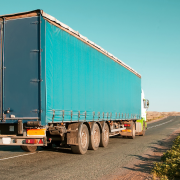

Summer brings longer days and plenty of opportunities to cover miles, but it also introduces challenges that drivers need to prepare for. High temperatures can affect both drivers and equipment. Heat increases the risk of dehydration and fatigue, puts additional strain on engines and tires, and often brings heavier traffic, construction zones, and severe afternoon storms.
Fortunately, a little preparation goes a long way. Here are several ways to stay comfortable, protect your truck, and drive safely throughout the summer months.
Stay Ahead of the Heat
Many drivers don’t notice dehydration until it’s already affecting them. Even mild dehydration can reduce concentration, increase fatigue, and make long hours behind the wheel feel even longer.
Instead of waiting until you’re thirsty, it’s important to drink water consistently throughout the day. Keeping multiple bottles of cold water in your truck makes it easier to stay hydrated during long stretches between stops. If you’re spending extra time outside securing loads, fueling, or making deliveries, consider adding an electrolyte drink once or twice a day to replace what you lose through sweat.
Light meals, fresh fruit, and snacks with high water content can also help you stay energized without leaving you feeling sluggish during hot afternoons.
Know the Signs of Heat-Related Illness
Heat exhaustion can develop gradually, especially during physically demanding work outside the truck.
That makes it essential to watch for symptoms such as:
- Heavy sweating
- Dizziness or lightheadedness
- Muscle cramps
- Headache
- Nausea
- Unusual fatigue
- Confusion
If you begin experiencing these symptoms, be sure to pull over somewhere safe, move into the shade or air conditioning if possible, drink water, and allow your body time to cool down before continuing. Ignoring early warning signs can quickly allow heat-related illness to become much more serious.
Give Your Truck Extra Attention All Summer Long
Hot weather puts additional stress on nearly every major system in your truck. Your pre-trip inspection becomes even more important during the summer months, when you should pay close attention to:
- Coolant level
- Engine oil
- Tire pressure and tread
- Belts and hoses
- Air conditioning performance
- Windshield washer fluid and wipers
Heat causes tire pressure to increase, making already worn tires even more vulnerable to blowouts. Likewise, cooling systems that perform adequately during mild weather may struggle during prolonged periods of extreme heat or mountain driving.
Taking a few extra minutes before each trip can help prevent costly breakdowns later.
Plan for Summer Weather
Checking the weather before a trip is always important, but it becomes especially valuable during the summer months. Conditions can change quickly, with clear skies giving way to heavy rain, strong winds, or severe thunderstorms in a matter of hours. Looking at the forecast for your full route can help you prepare before problems develop.
If you encounter severe weather, slow down, increase your following distance, and wait for conditions to improve if necessary. A realistic schedule also makes it easier to prioritize safety instead of feeling pressured to make up lost time.
Expect More Traffic
Beyond warmer tempertures, summer also marks the start of vacation season, when more passenger vehicles, motorcycles, RVs, and inexperienced travelers are sharing the road. At the same time, many highway construction projects ramp up, leading to more work zones, lane closures, and traffic delays.
That often leads to:
- More sudden lane changes
- Increased congestion
- Driving through work zone hazards
- Drivers unfamiliar with their routes
Try to leave additional following distance, anticipate unpredictable behavior from other motorists, and allow extra travel time whenever possible.
Protect Yourself from the Sun
Truck drivers spend plenty of time outside the cab during inspections, fueling, loading, and unloading. Reducing sun exposure can help prevent fatigue while making long workdays more comfortable.
A few simple items can help tremendously with limiting your sun exposure:
- Polarized sunglasses to reduce glare
- Sunscreen for exposed skin
- A lightweight hat for time spent outside
- Breathable clothing when conditions allow
Keep a Few Extra Supplies in the Cab
Summer is a good time to refresh your emergency supplies and make sure you have the essentials within easy reach. Whether you’re dealing with a breakdown, unexpected traffic, or an extended delay on the shoulder, having a few extra items in the cab can make an uncomfortable situation much more manageable.
Consider keeping:
- Extra bottled water
- Electrolyte packets
- Cooling towel
- Flashlight
- First aid kit
- Phone charger or backup battery
- Basic roadside emergency supplies
Most days you’ll never need these items, but they’re worth having if plans change unexpectedly. A small investment in emergency supplies can provide peace of mind and help you stay safe and comfortable until you’re back on the road.
For more trucking industry tips and tricks, be sure to stay up-to-date on our Truck Driver Blog and connect with us on social media.