
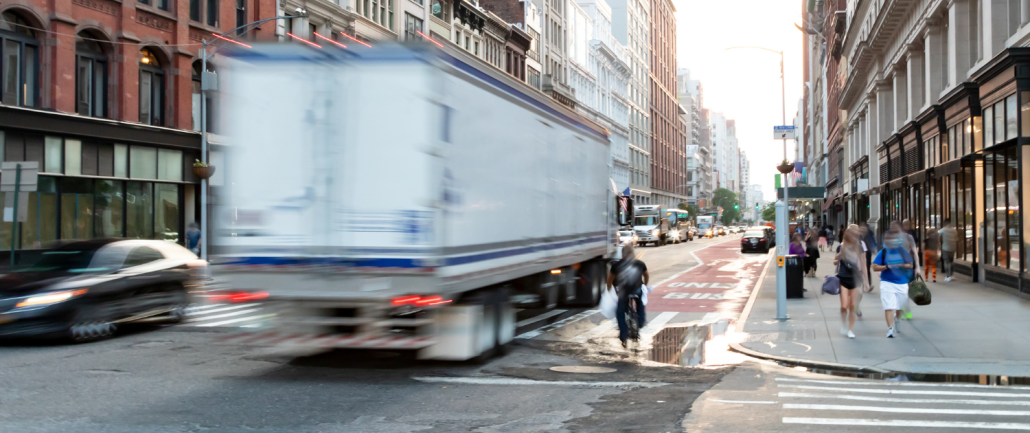
City driving can test even the most seasoned truck drivers. Tight streets, heavy traffic, pedestrians, cyclists, low bridges, and limited parking all combine to make urban environments truly unique.
Even if you are comfortable on the open highway, driving in the city requires different skills and preparation to stay safe and efficient.
Keep reading to discover practical tips for truck drivers to improve their city driving and handle difficult maneuvers with confidence.
Know Your Route and Plan Ahead
Before you’ve entered city limits, it’s important to study your route carefully. Urban routes often include one-way streets, tight turns, low-clearance bridges, and restricted zones that standard navigation apps might not fully account for.
Planning with a truck-specific GPS or mobile app helps you spot restrictions and problem areas early so you can choose the safest and most efficient path. When driving in cities, you should also always give yourself extra time in your schedule for traffic and unexpected delays.
Precision Turns Take Practice
City intersections demand a different level of precision. Tight corners, parked cars, and crowded lanes leave little margin for error. Give yourself plenty of room by setting up your turn early, easing into it at a controlled pace, and keeping a close watch on your mirrors to track the space around your trailer.
For a right turn, pull out slightly into the intersection if needed to allow enough clearance. For a left turn, wait for the right gap in traffic and make smooth, controlled steering adjustments. Checking your mirrors frequently lets you see smaller vehicles, cyclists, and pedestrians that might move into your blind spots.
Master Maneuvers in Tight Spaces
Urban settings bring tight situations like narrow alleys, small parking lots, and quick lane changes. When navigating these spaces, slow down and control your speed carefully. Slow speeds give you more reaction time and help prevent momentum from carrying you into obstacles. Be extra mindful of your vehicle’s dimensions and maintain a safe following distance at all times.
When you need to back up in a confined space, it’s important to use all available tools. Your mirrors, backup cameras, and even a spotter on the ground can help you judge distances better than just relying on sight from the cab. If possible, walk around the path you plan to reverse before you begin. Communicate clearly with your spotter by first agreeing on simple hand signals for start, stop, and adjust.
Stay Calm and Patient
City traffic can be especially chaotic. Cars may merge suddenly, pedestrians can step into crosswalks without warning, and rush-hour congestion can bring everything to a crawl.
Staying calm and patient at all times allows you to think clearly and avoid mistakes. Let aggressive drivers go ahead and focus on what you can control: your speed, your lane position, and your awareness of your surroundings. Maintaining a level head is one of the best tools you have for navigating difficult situations safely.
Watch for Pedestrians and Cyclists
Urban environments have more vulnerable road users than highways. Pedestrians might step out between cars, and cyclists often share narrow lanes with trucks. Constantly scan your mirrors and surroundings to spot these road users early. Making eye contact with pedestrians or waiting for cyclists to clear your path before turning can prevent close calls. Always use your signals and brake lights early to communicate your intentions clearly to others around you.
Know Your Vehicle’s Limits
Your truck’s handling can shift depending on factors like speed, weight distribution, road conditions, and even how recently the vehicle was serviced. Heavier or uneven loads often require more steering input and a longer stopping distance, which becomes especially noticeable in crowded city environments.
Make it a habit to check your brakes, tires, and steering systems so you know everything is responding the way it should before navigating tighter streets. When you have a strong sense of how your truck behaves in different situations, it becomes easier to judge when you can safely continue a maneuver and when it is better to slow down, adjust, or reassess your approach.
Prioritize Safety Over Speed
City traffic demands steady pacing and clear communication. Tight lanes, unpredictable stops, and frequent turns make it important to ease into every maneuver and give yourself time to react. Signal early, monitor your mirrors often, and make deliberate movements that show other drivers exactly what you plan to do. A calm, controlled approach helps you avoid close calls and reinforces your reputation as a reliable professional who can handle challenging environments with skill.
Wondering about other ways to stay ahead of the curve in the transportation industry in 2026? Be sure to check out more posts on our blog and connect with us on social media!