
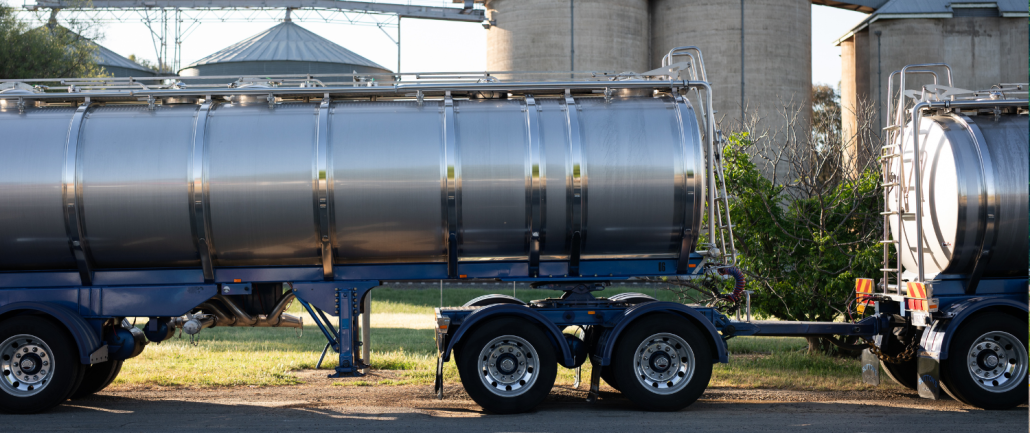
 For many CDL drivers, endorsements are a practical way to expand career opportunities. Some endorsements allow drivers to haul specialized cargo, while others qualify them to operate different types of equipment. One endorsement that many drivers consider is the doubles and triples endorsement, also known as the “T” endorsement.
If you have seen double trailers on the highway or heard drivers talk about hauling triples in certain regions, this endorsement is what makes it possible. Understanding how it works, what it requires, and whether it fits your career goals can help you decide if it is worth adding to your CDL.
What Is the Doubles and Triples Endorsement?
The doubles and triples endorsement allows CDL drivers to pull more than one trailer at the same time, typically two or three trailers connected to a single tractor. These configurations are sometimes called longer combination vehicles.
Instead of hauling one standard trailer, a driver with this endorsement may operate:
- Doubles, which usually consist of two shorter “pup” trailers
- Triples, which involve three trailers connected together
Because these setups increase the overall length and complexity of the vehicle, drivers must demonstrate additional knowledge about safe operation before they are legally allowed to operate them.
The doubles and triples endorsement is only available to Class A CDL holders, since those drivers already operate combination vehicles.
Why Some Drivers Choose to Get It
Not every driver will need the doubles and triples endorsment, but it can provide several advantages depending on the type of freight you want to haul.
First, hauling multiple trailers allows carriers to move more freight in a single trip. That efficiency can make drivers with the endorsement attractive candidates for linehaul or long distance operations.
Having this endorsement can also expand the number of jobs available to you. Some carriers specifically look for drivers who already have the endorsement, particularly those operating regional networks or less-than-truckload freight systems.
Additionally, specialized skills can sometimes lead to higher pay or better route options. While compensation varies by company and region, the ability to handle more complex equipment can make drivers more competitive when applying for certain roles.
How to Get the Doubles and Triples Endorsement
Compared to some CDL endorsements, the process for obtaining a doubles and triples endorsement is relatively straightforward.
To qualify, drivers typically must:
- Hold a valid Class A CDL
- Meet general CDL eligibility requirements
- Pass a written knowledge test focused on operating multiple trailers
The test is usually around 20 questions, and most states require a score of 80 percent or higher to pass. Most of the material comes directly from the CDL manual, so studying the section on double and triple trailers is essential.
You can expect the exam to cover topics such as:
- Coupling and uncoupling multiple trailers
- Inspecting doubles and triples safely
- Handling longer combination vehicles on the road
- Preventing rollovers and trailer sway
- Driving in adverse conditions
Important Safety Considerations
Driving a combination vehicle with multiple trailers requires additional awareness and skill. With more pivot points and added length, these vehicles behave differently than a standard tractor trailer.
Some of the biggest challenges include:
- Longer stopping distances
- Greater risk of trailer sway or rollover
- More space needed for turns and lane changes
- Limited maneuverability in tight areas
Because of these factors, it’s important to pay close attention to trailer inspections, coupling procedures, and defensive driving practices when operating doubles or triples. Proper training and experience are essential for handling these configurations safely.
State and Regional Restrictions
Even with the endorsement, drivers cannot operate doubles or triples everywhere. Each state sets its own rules about whether these combinations are allowed and under what conditions.
For example, some states permit doubles but not triples, while others allow triple trailers only on specific highways or for certain freight operations.
Drivers considering this endorsement should check local regulations and the routes they plan to run. If your carrier primarily operates in regions that restrict multiple trailers, the endorsement may not provide as much practical benefit.
Is It Worth Getting?
For many drivers, the doubles and triples endorsement is a useful addition to their CDL because it increases flexibility. Even if you do not plan to haul multiple trailers right away, having the endorsement means you are already qualified if a future job opportunity requires it.
Like other CDL endorsements, it is a relatively small investment of time that can broaden your professional options. For drivers interested in linehaul routes, LTL freight networks, or specialized combination vehicles, the doubles and triples endorsement can be a valuable credential to have on your license.
Wondering about other ways to stay ahead of the curve in the transportation industry in 2026? Be sure to check out more posts on our blog and connect with us on social media!